

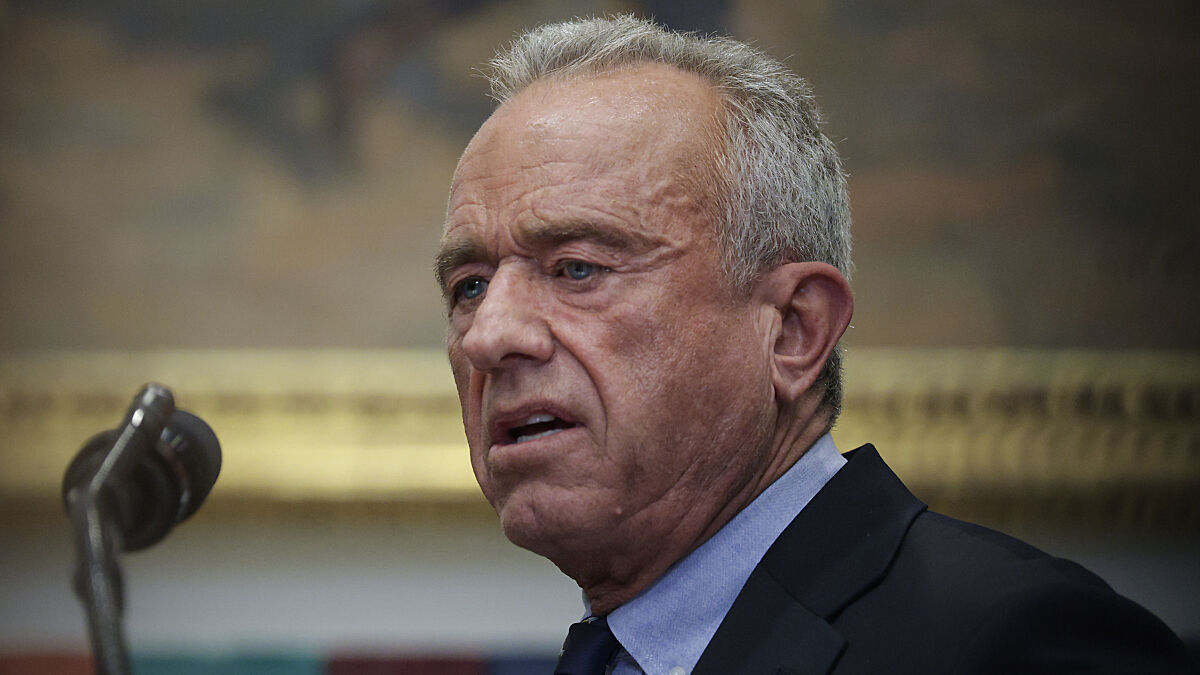
The U.S. Centers for Disease Control and Prevention (CDC) announced sweeping changes to the childhood immunization schedule on Monday, which will take effect immediately.
The move was swiftly condemned by major medical organizations, who warned it could undermine public trust and put children at risk of preventable disease.
It follows a December directive from Donald Trump ordering federal health agencies to review vaccine schedules in 20 peer-developed nations and revise U.S. guidance if they found “superior approaches” abroad.
- The CDC announced immediate sweeping changes to the U.S. childhood immunization schedule, reducing routine vaccine recommendations.
- Major medical groups criticized the overhaul, warning it risks public trust and may increase preventable diseases in children.
- Changes followed Donald Trump's directive to compare vaccine schedules internationally, highlighting that the U.S. recommends more vaccines than peer nations.
- Health Secretary RFK Jr. framed the update as rebuilding trust and aligning with international consensus despite expert backlash.
- States may follow federal guidance changes, impacting school vaccine requirements amid mixed responses and regional resistance.
The CDC has overhauled childhood vaccine guidance
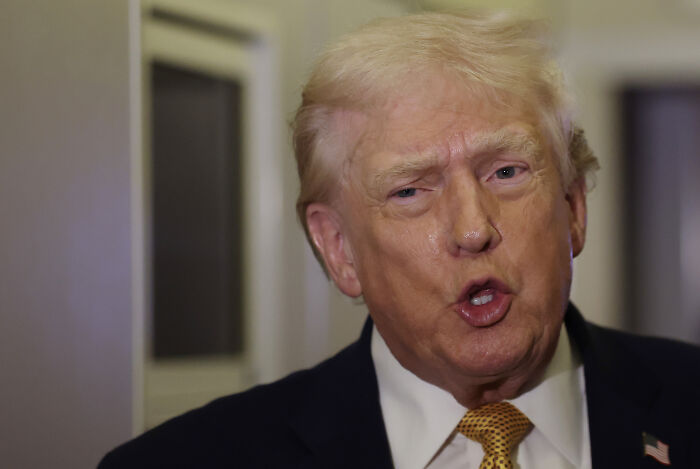
Image credits: Joe Raedle/Getty Images
The order followed a December presentation at a CDC vaccine advisory meeting by Dr. Tracy Beth Hoeg, an FDA official who discussed Denmark’s childhood immunization schedule and raised questions about aluminum used in some vaccines, according to NBC News.
While Hoeg suggested that fewer routine shots could reduce aluminum exposure, a large Danish study published last year found no evidence of harm from aluminum in vaccines—findings that Health Secretary Robert F. Kennedy Jr. publicly rejected, calling for the research to be retracted.
The journal declined, and days later, Trump directed health officials to review U.S. vaccine guidance and compare it with practices in other developed nations.
In a press release on Monday, health officials said that the review found the U.S. recommends vaccines against more diseases and more total doses than any other peer nation, while failing to achieve higher vaccination rates.
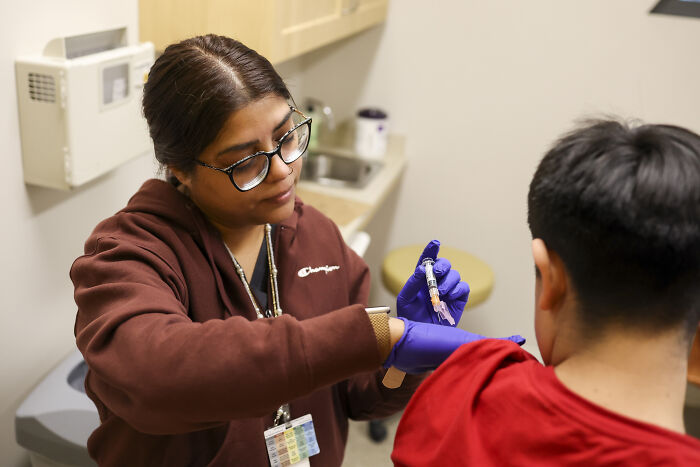
Image credits: Eileen T. Meslar/Chicago Tribune/Tribune News Service via Getty Images
It specifically compared the U.S. to Denmark, which recommends vaccinating children against 10 diseases, compared to the 18 recommendations the U.S. made in 2024.
The list of vaccines recommended for all children will include vaccines for measles, mumps, rubella, polio, pertussis, tetanus, diphtheria, Haemophilus influenzae type B (Hib), pneumococcal disease, human papillomavirus (HPV), and varicella (chickenpox).
Other vaccines previously recommended routinely will instead be shifted into the high-risk or shared decision-making categories—a change critics say could lead parents to forgo immunizations that have long been considered essential.
Vaccines recommended in the high-risk category include those for RSV, hepatitis A, hepatitis B, dengue, and two types of bacterial meningitis–meningococcal ACWY and meningococcal B.
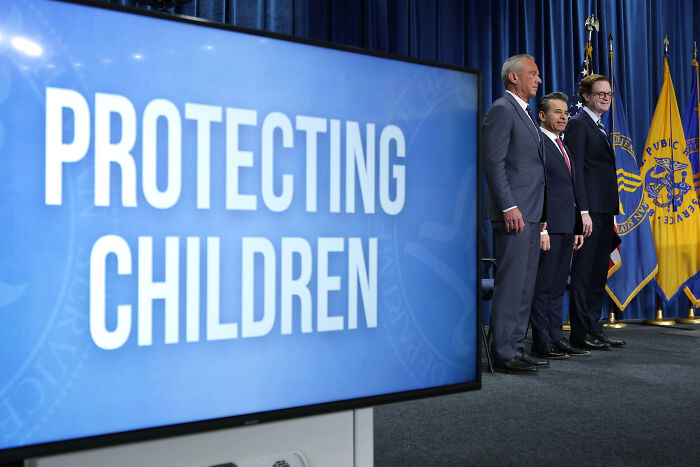
Image credits: Alex Wong/Getty Images
The immunizations based on shared clinical decision-making are for rotavirus, COVID-19, influenza, meningococcal disease, hepatitis A, and hepatitis B.
The change in guidance, carried out under vaccine skeptic RFK Jr, has been marketed as a way to improve public health trust.
Studies have shown that in the U.S, trust in public health nosedived from 72% to 40% following the COVID-19 pandemic, between 2020 and 2024.
“After an exhaustive review of the evidence, we are aligning the U.S. childhood vaccine schedule with international consensus while strengthening transparency and informed consent,” RFK Jr. said in a statement.
“This decision protects children, respects families, and rebuilds trust in public health.”
RFK Jr. framed the change as a move to rebuild public trust
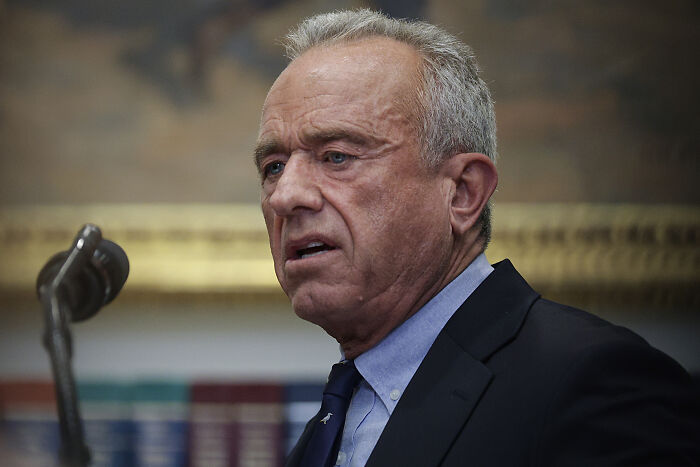
Image credits: Alex Wong/Getty Images
All vaccines will remain covered by insurance and available to families who want them, but health experts say the change in guidance will be confusing to parents, and it will not improve public trust.
Medical groups have reacted to the news with alarm, saying the administration bypassed the transparent, expert-driven process that has traditionally guided vaccine policy.
Since taking on the role of health secretary, RFK Jr. has gutted the CDC’s vaccine advisory committee and replaced an expert panel with several handpicked appointees, including multiple vaccine skeptics.
“The American Medical Association is deeply concerned,” said Dr. Sandra Fryhofer, an AMA trustee. “Changes of this magnitude require careful review, expert and public input, and clear scientific justification. That level of rigor and transparency was not part of this decision.”
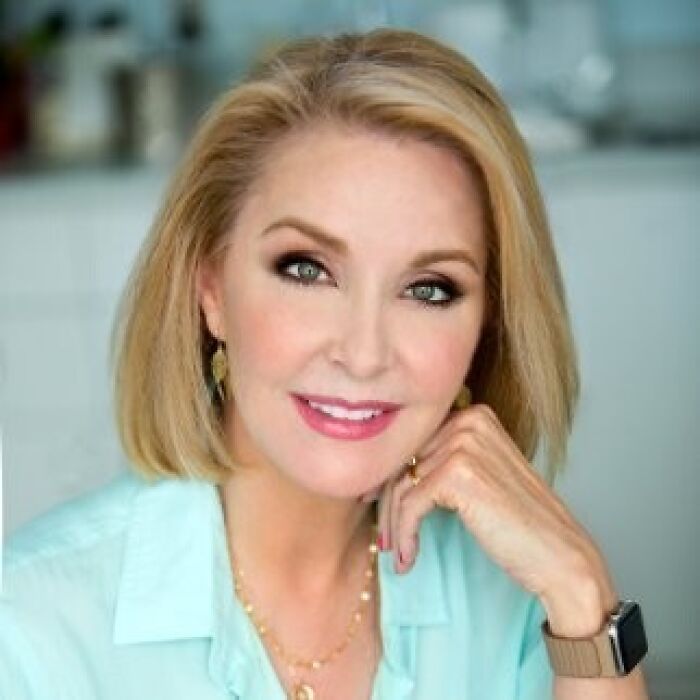
Image credits: Dr. Sandra Fryhofer
She further said the decision undermines public trust and puts children at unnecessary risk of preventable disease.
The American Academy of Pediatrics (AAP) rejected the comparison to Denmark outright, warning that differences in population size, health systems, and disease risk make direct alignment inappropriate.
“The United States is not Denmark, and there is no reason to impose the Danish immunization schedule on America’s families,” said AAP President Dr. Andrew Racine, who warned the “ill-considered” decision would “sow further chaos and confusion and erode confidence in immunizations.”
“This is no way to make our country healthier,” he added.
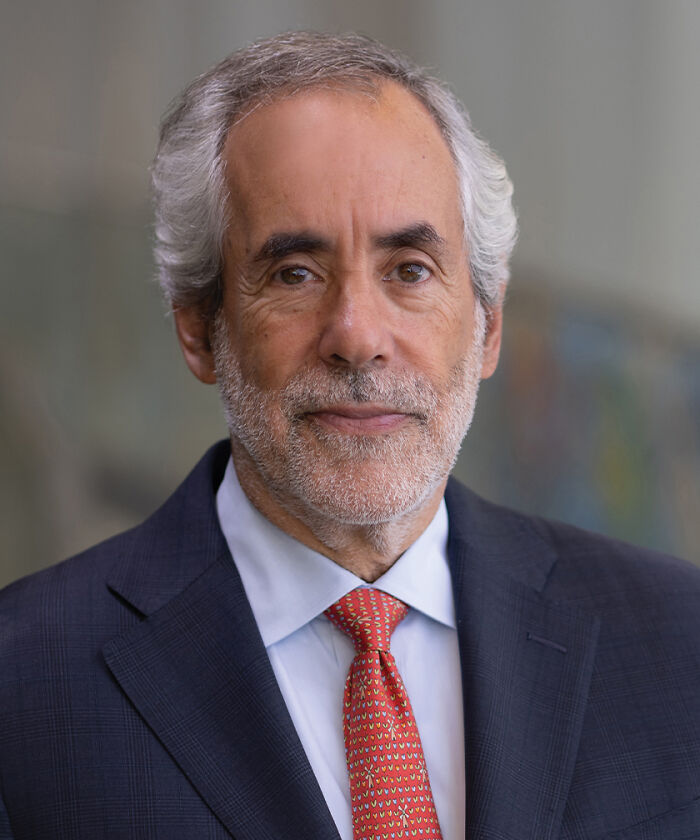
Image credits: Albert Einstein College of Medicine
Infectious disease experts said the move risks weakening protections at a time when vaccine-preventable diseases continue to circulate in the U.S.
“Upending long-standing vaccine recommendations without transparent public review and engagement with external experts will undermine confidence in vaccines with the likely outcome of decreasing vaccination rates and increasing disease,” said Dr. Ronald Nahass, president of the Infectious Diseases Society of America.
He said differences in disease prevalence and social support between countries mean fewer vaccines abroad do not automatically translate to fewer vaccines being needed in the U.S.
Nahass, who described the move as the “latest reckless step” of RFK Jr.’s “assault on the national vaccine infrastructure,” said it would ultimately make America sicker.
Health experts have strongly condemned the decision

Image credits: IDSA
“Most other high-income countries have universal health care and parental leave, both of which can support prevention and early care and contribute to lower disease prevalence,” Nahass said.
“It is irresponsible to haphazardly change vaccine recommendations without a solid scientific basis and transparent process. The commitment the U.S. has made to protecting children from vaccine-preventable illness and death must remain a top priority.”
States, not the federal government, ultimately decide which vaccines are required for school attendance, but CDC recommendations have long served as the backbone for those policies.
State health departments and legislatures typically rely on federal guidance when setting immunization rules, meaning changes to the national schedule can ripple outward, influencing school requirements, insurance coverage, and how physicians advise families, even when states do not immediately update their laws.
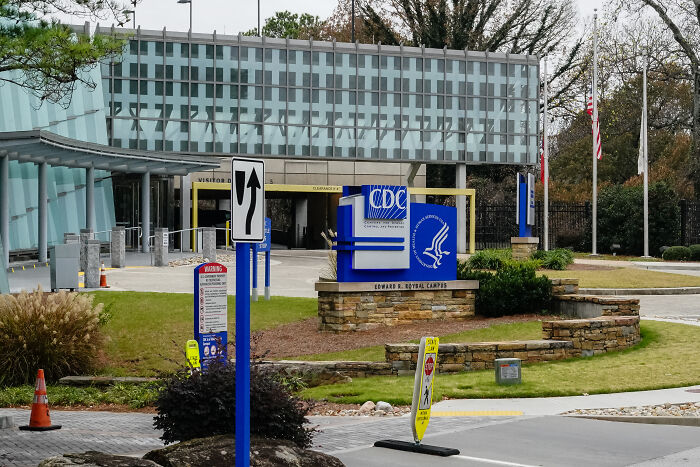
Image credits: Elijah Nouvelage/Getty Images
The updated guidance follows moves in Florida, where Surgeon General Joseph Ladapo announced in September that the state was working to eliminate vaccine requirements for children.
Ladapo compared school vaccine mandates to slavery and called them “immoral.”
“Every last one of them is wrong and drips with disdain and slavery,” Ladapo said at a press conference announcing the proposal.
Florida currently requires children attending public schools to receive several vaccinations, including shots for polio, measles, chickenpox, and hepatitis B.

Image credits: Allen J. Schaben / Los Angeles Times via Getty Images
Ladapo’s comments and the proposed changes were strongly condemned by the American Medical Association and the Florida chapter of the American Academy of Pediatrics.
While Florida has moved to roll back vaccine requirements, governors in several Democratic-led states have taken steps to insulate health policy from federal shifts.
The governors of Washington, Oregon, and California last year announced the creation of the West Coast Health Alliance, an agreement to coordinate public health guidance across the three states.
The governors said immunization recommendations under the alliance would continue to be informed by national medical organizations and established scientific guidance.
Poll Question
Thanks! Check out the results:
Subscribe to Access
Exclusive Polls

By entering your email and clicking Subscribe, you're agreeing to let us send you customized marketing messages about us and our advertising partners. You are also agreeing to our Privacy Policy.
Thank you! You've successfully subscribed to newsletters!



I know that a worm ate most of RFK Jr' brain, but the rest of us his age remember people in iron lungs people in braces and wheelchairs, and how excited we were to receive the first polio vaccines. The negative but disturbingly large impact this will have on US children cannot be understated. I never thought I'd live to see the day the US went backwards on this issue after all the obvious progress we saw.
I know that a worm ate most of RFK Jr' brain, but the rest of us his age remember people in iron lungs people in braces and wheelchairs, and how excited we were to receive the first polio vaccines. The negative but disturbingly large impact this will have on US children cannot be understated. I never thought I'd live to see the day the US went backwards on this issue after all the obvious progress we saw.

15
1