

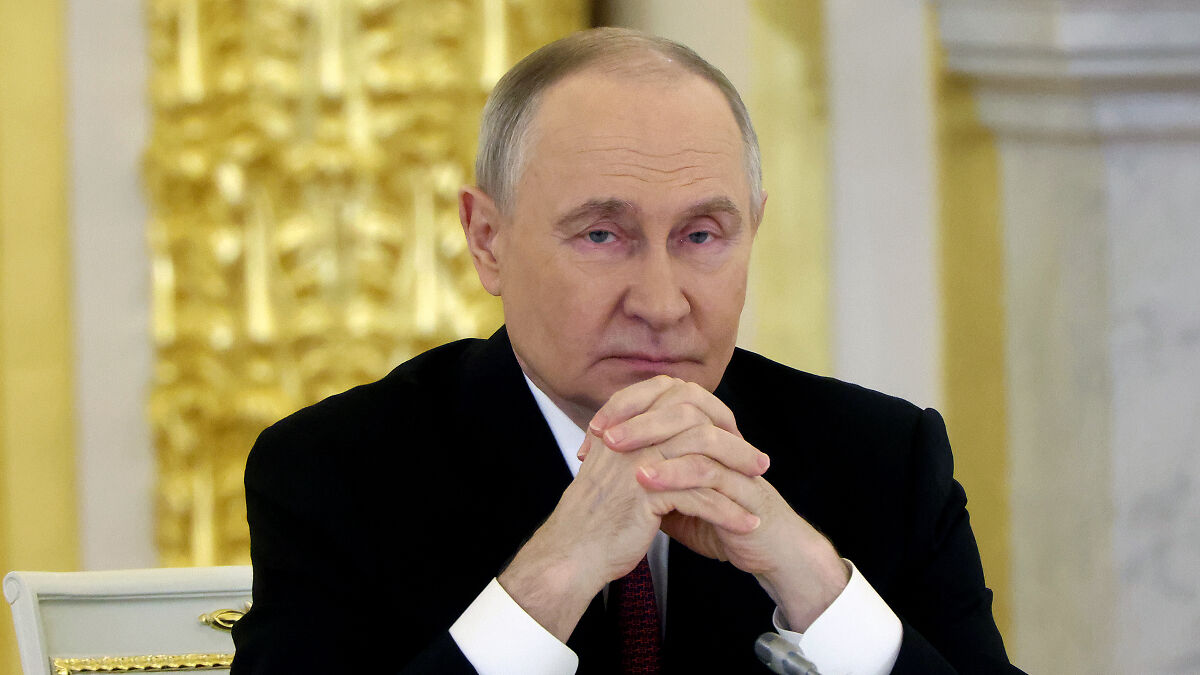
Ukraine’s plan to strike Russia’s strategic bomber fleet faced multiple unexpected setbacks, including a shortage of sober drivers, before the operation was finally carried out this summer.
The country’s security service (SBU) had moved dozens of drones covertly into Russia with hopes of staging a major attack around Russia’s Victory Day on May 9 in a bid to embarrass the Kremlin.
- Ukraine’s secret drone strike on Russia’s bombers was delayed by a shortage of sober Russian truck drivers during holiday hangovers.
- Operation Spider’s Web used drones concealed in wooden cabins and relied on unwitting Russian drivers to transport them covertly.
- Despite setbacks, the attack destroyed or damaged 41 Russian aircraft, causing an estimated $7 billion in damages.
- The operation’s planning took 18 months and involved 117 individually operated drones targeting multiple Russian airfields.
- The report emerged amid ongoing international peace talks involving Trump and European leaders on ending the Ukraine conflict.
But the holiday period, which also included Labor Day and Orthodox Easter, created a logistical problem: many Russian drivers were off work or hungover, according to the Wall Street Journal.
Hangovers nearly thwarted Volodymyr Zelenskyy’s plan
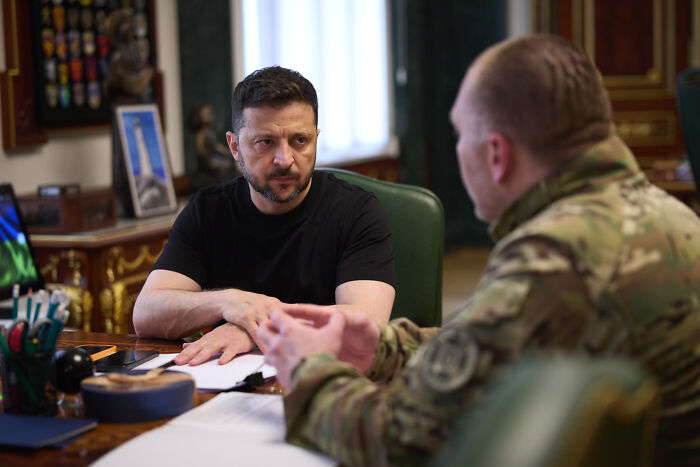
Image credits: Volodymyr Zelenskyy
The issue sharply reduced the pool of people Ukraine needed to unknowingly move the drones concealed inside wooden cabin structures.
Because Operation Spider’s Web depended on hiring ordinary Russian truckers who believed they were transporting mobile cabins, officials deemed it too risky to proceed during the holidays.
When the operation went ahead on June 1, as per WSJ, issues continued when one driver noticed that the roof of a cabin had come loose and discovered the drones inside.
He called his employer for an explanation, and Artem Timofeev, 37, a former Ukrainian DJ living in Russia, answered.
Timofeev and his wife had helped to assemble the drone disguises and had already been coached on what to say by the SBU.
Image credits: Contributor/Getty Images
So, Timofeev told the driver that the equipment was intended for hunting and, according to the WSJ, the driver accepted the explanation and continued his journey.
Other problems also emerged along the route, including a truck breaking down.
It forced SBU-linked operatives and Timofeev to shift the cargo to another vehicle without raising alarms.
Kyiv also briefly lost contact with two cabins carrying drones because of poor connectivity.
Officials then attempted to guide a Russian driver through fixing the issue without revealing the true purpose of the cargo.
The driver eventually stopped responding, prompting fears that the mission had been exposed, the WSJ reported.
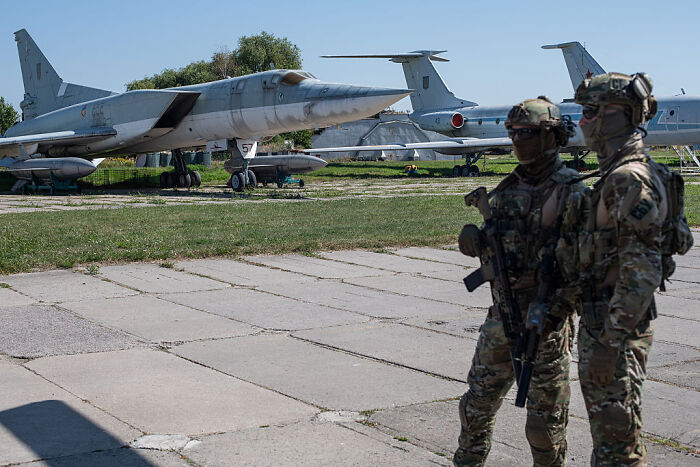
Image credits: Danylo Antoniuk/Global Images Ukraine via Getty Images
However, Kyiv later learned through online photos and reports that the cargo had caught fire, triggering explosions that killed the driver.
Despite the mishaps, the attack went ahead, destroying or damaging 41 Russian bombers and other aircraft at four airfields in what Ukrainian officials describe as one of their deepest strikes inside Russia to date.
President Volodymyr Zelenskyy said the mission was planned over the course of 18 months, right next to Russia’s Federal Security Service (FSB) headquarters.
The attack involved a total of 117 drones, all operated individually, across several Russian regions, and is estimated to have caused damage worth $7 billion.
Russia reportedly lost over 40 units of strategic aviation, including A-50, Tu-95, and Tu-22M aircraft.
The attack went ahead at a later date
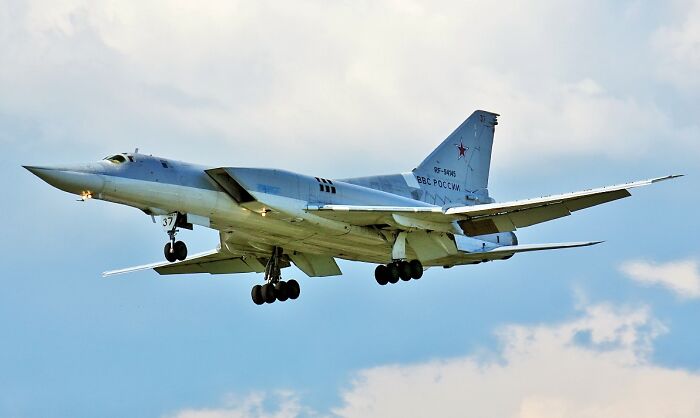
Image credits: Dmitry Terekhov
A military source told AP at the time that the complex operation involved first-person view (FPV) drones being smuggled into Russia and stored in wooden mobile homes.
“At the right moment, the roofs of the houses were remotely opened, and the drones flew to hit Russian bombers,” the source said.
The new reporting on hungover Russians almost thwarting the attack comes after Donald Trump discussed his Ukraine peace plan with European leaders on Wednesday.
U.K. Prime Minister Keir Starmer, French President Emmanuel Macron, and German Chancellor Friedrich Merz all took part in the call with Trump, during which they spoke about ongoing U.S.-led peace talks aimed at ending the war in Ukraine.
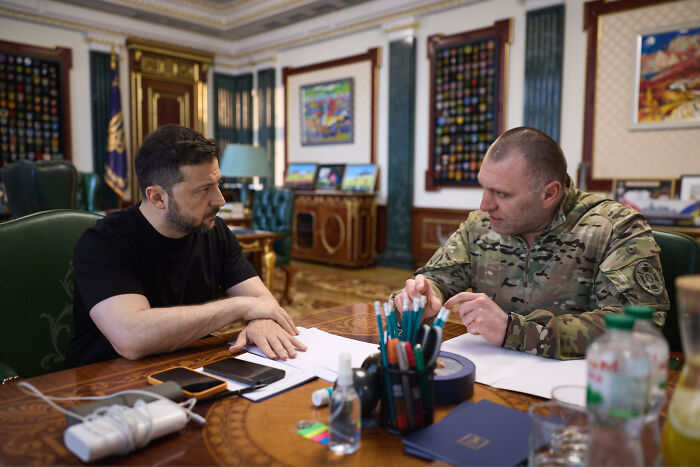
Image credits: Volodymyr Zelenskyy
European leaders described the moment as “critical” for Ukraine and Euro-Atlantic security and said intensive work on the peace plan would continue, according to statements.
Trump said he exchanged “pretty strong words” with his counterparts and urged Ukraine to be “realistic” about its position in negotiations.
The discussions come as Ukraine has sent a revised peace proposal to Washington, and as Kyiv and its allies prepare for further talks with international partners on a possible framework to end the conflict.
Poll Question
Thanks! Check out the results:
Subscribe to Access
Exclusive Polls

By entering your email and clicking Subscribe, you're agreeing to let us send you customized marketing messages about us and our advertising partners. You are also agreeing to our Privacy Policy.
Thank you! You've successfully subscribed to newsletters!



15
0