

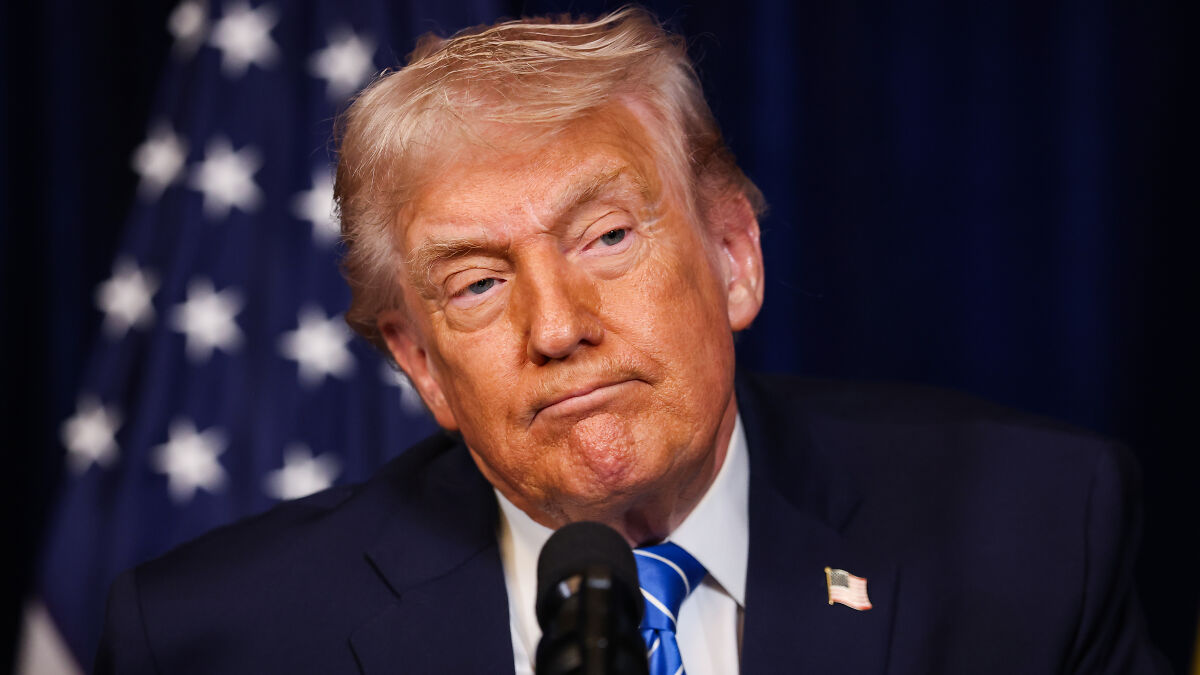
A prominent cardiologist and CNN medical analyst has questioned Donald Trump’s explanations of his medical care, particularly on his aspirin use.
Dr. Jonathan Reiner, a professor of medicine and cardiology at George Washington University, said Trump’s description of taking a large daily dose of aspirin to “thin” his blood reflects a misunderstanding of how the drug works.
- Cardiologist Dr. Jonathan Reiner questions Trump’s understanding of aspirin, saying it doesn’t actually thin blood but reduces clotting risk.
- Trump takes a high daily aspirin dose of 325 mg, much more than the typical 81 mg prescribed, despite doctors advising lower amounts.
- Recent studies show aspirin’s limited benefit and increased bleeding risk for people over 70, prompting changes in medical guidelines.
Reiner, also a former White House medical consultant, noted that the president’s recent comments raise questions about why he has not followed his doctors’ advice to lower the dosage.
Dr. Jonathan Reiner questioned Donald Trump’s logic
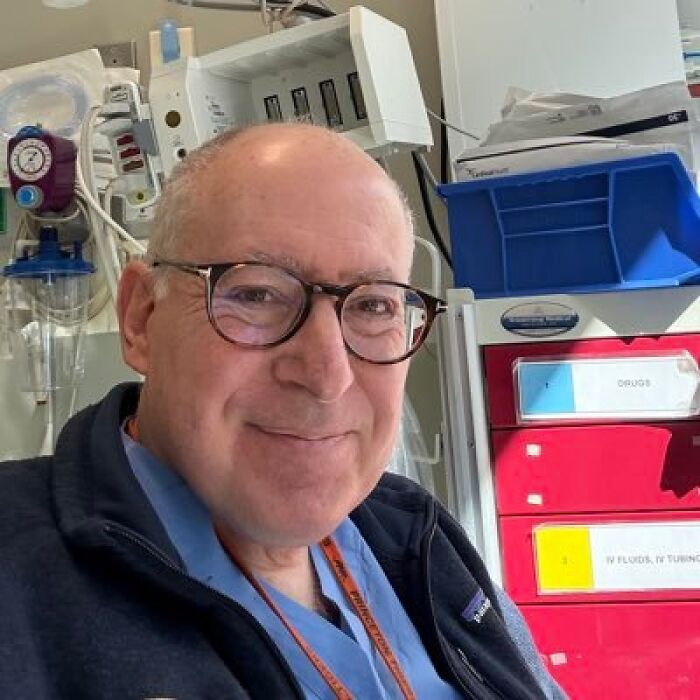
Image credits: Jonathan Reiner
It comes after Trump, 79, discussed his health in an interview withThe Wall Street Journal, acknowledging that he takes 325 milligrams of aspirin daily, has worn compression socks to tackle swelling in his legs, applies makeup to cover bruising on his hands, and avoids exercise other than golf.
He insisted he remains in excellent health and attributed his purported stamina to genetics.
“They say aspirin is good for thinning out the blood, and I don’t want thick blood pouring through my heart,” Trump told WSJ. “I want nice, thin blood pouring through my heart. Does that make sense?”
During an interview with CNN, Reiner said that Trump’s explanation, in fact, did not make sense and that aspirin does not thin blood in the way Trump believes.
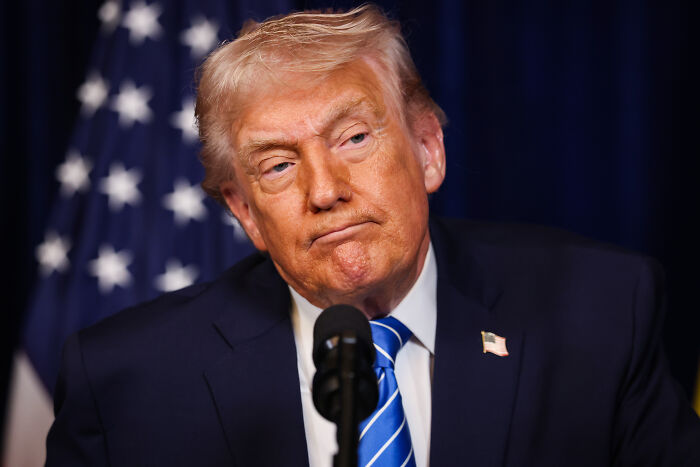
Image credits: Joe Raedle/Getty Images
Medications such as aspirin reduce the blood’s tendency to clot, Reiner explained, but they do not alter its physical thickness.
“When we use any kind of anticoagulant, medications to prevent clotting, those don’t thin the blood; It’s not like changing something from gumbo to chicken soup,” he said.
“It doesn’t make it thinner. It makes you less likely to clot.”
While aspirin was once widely used for preventing first-time heart attacks, more recent research has shown limited benefits for people over 70 and a heightened risk of bleeding.
“It used to be that we would treat a lot of people with aspirin therapy,” Reiner said, but added that medical guidance has shifted to reflect evidence showing that the risks can outweigh the benefits.
President Trump tells the WSJ that he’s taking more aspirin than doctors recommend. Is that a good idea? Dr. Jonathan Reiner weighs in. pic.twitter.com/tpzqipXMBE
— The Lead CNN (@TheLeadCNN) January 2, 2026
“We’ve learnt in recent years that, particularly in people over the age of 70, not only is there no benefit in terms of just primary prevention … There can be hazard and the hazard can be significant bleeding,” Reiner said.
Trump told the WSJ that his doctors would prefer he take a lower dose, but that he has declined to change because he has been taking the larger dose for decades and is “a little superstitious.”
White House physician Sean Barbabella confirmed that Trump takes aspirin for cardiac prevention and that the president experiences bruising as a side effect.
Reiner said the dosage Trump described is unusual.
Trump has been frequently photographed with hand bruising

Image credits: Celal Gunes/Anadolu via Getty Images
Even patients with documented coronary artery disease are typically prescribed 81 milligrams a day—one quarter of the amount Trump says he takes.
“So, why is the president taking an unorthodox dose of aspirin?” Reiner asked.
Photos showing persistent bruising on Trump’s hands have circulated in recent months, and the White House has attributed the marks to aspirin use.
Trump himself acknowledged in the WSJ interview that he applies makeup to cover bruises and minor cuts, including one caused when Attorney General Pam Bondi accidentally nicked his hand with a ring.
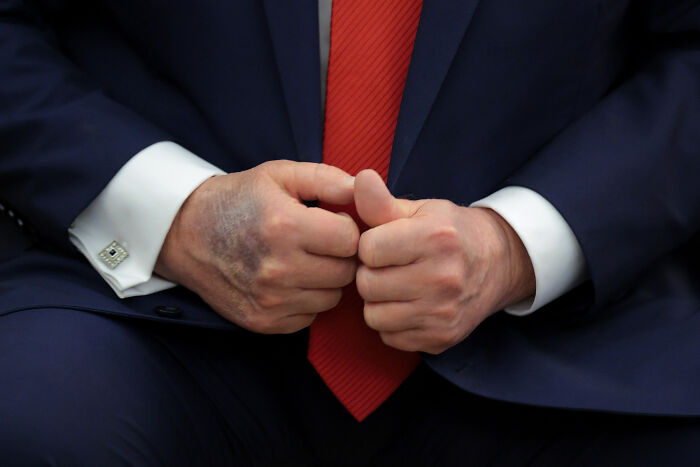
Image credits: Chip Somodevilla/Getty Images
Reiner said that sequence of events only deepens the questions.
“So, if you’re bruising a lot, and your doctor says you’re on too much aspirin, why wouldn’t you go down to the lower dose?” he said. “It makes no sense to me.”
In the WSJ interview, Trump also addressed confusion over a diagnostic test he underwent in October, clarifying that it was a CT scan rather than an MRI, which he had publicly referred to the scan as.
Poll Question
Thanks! Check out the results:
Subscribe to Access
Exclusive Polls

By entering your email and clicking Subscribe, you're agreeing to let us send you customized marketing messages about us and our advertising partners. You are also agreeing to our Privacy Policy.
Thank you! You've successfully subscribed to newsletters!




15
1