

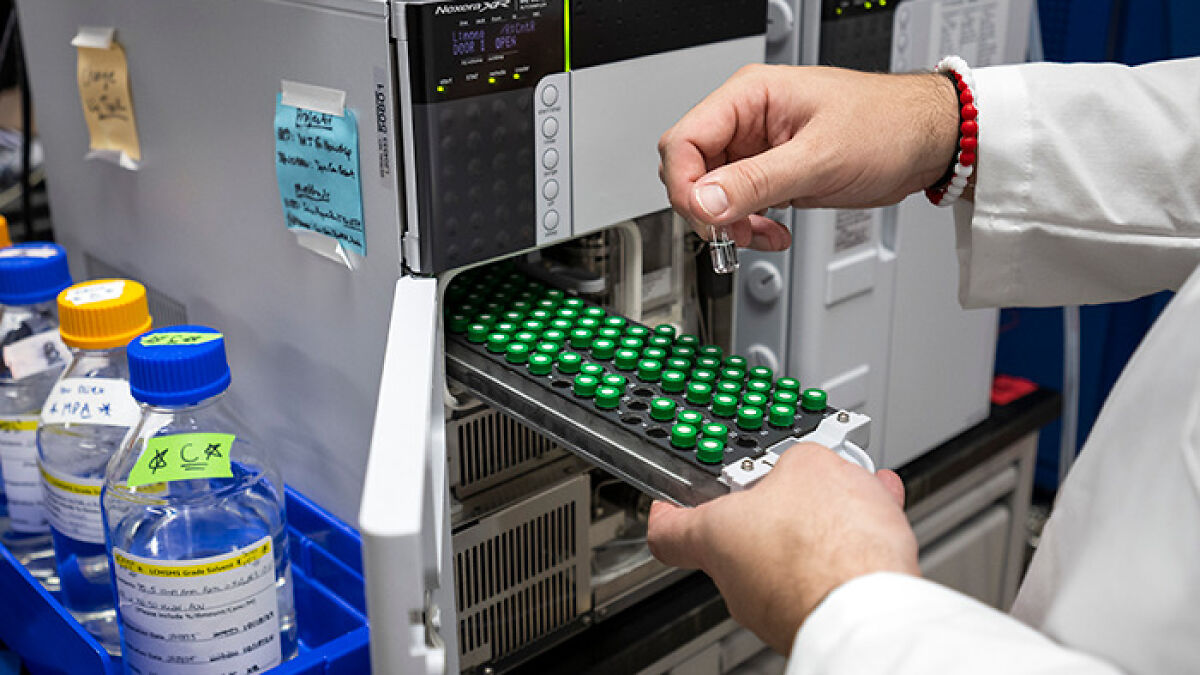
Forensic chemists in São Paulo, Brazil, began seeing a concerning trend in 2022. Nitazenes—an ultra-potent class of synthetic opioids—were turning up across the state’s drug seizures.
“Until then, opioids were not very common in the country, and synthetic opioids were even rarer,” said Karen Rafaela Gonçalves de Araújo, a forensic toxicologist at Libbs Pharmaceutical and researcher affiliated with the University of São Paulo.
- Nitazenes, ultra-potent synthetic opioids, replaced classic opioids in São Paulo seizures between mid-2022 and early 2023.
- Some nitazenes are 20 times stronger than fentanyl and 1,000 times stronger than morphine, posing extreme overdose risks.
- Nitazenes often appear in herbal blends, misleading users who expect marijuana-like effects into unknowingly consuming opioids.
- Many countries lack effective detection tools for nitazenes, increasing overdose risks from unnoticed exposure, especially in popular cannabis products.
- Experts argue supply-side drug enforcement fails with nitazenes.
“In São Paulo, between mid-2022 and early 2023, most opioid-related seizures involved nitazenes, practically replacing substances like morphine or fentanyl.”
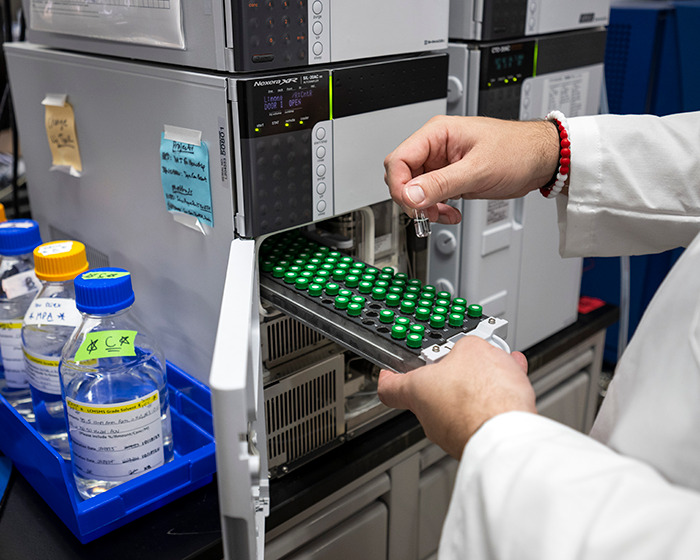
Nitazenes are 20 times as strong as fentanyl and 1,000 times stronger than morphine. Image credits: Joe Lamberti/The Washington Post/Getty Images
Her casework highlighted two important trends: not only were nitazenes replacing classic opioids in the various forms they were consumed, but they were also frequently appearing inside “herbal blends”—dried plant material sold as cannabis-like products that users expect to have an effect similar to marijuana.
“Many users had no idea they were taking an opioid,” Araújo said.
Nitazenes are benzimidazole opioids first developed in Switzerland in the 1950s as painkillers, but abandoned because they were too toxic to use as medicine. Some analogs, such as etonitazene, are 20 times as strong as fentanyl and 1,000 times stronger than morphine.
After years on the shelf, they have been rediscovered by clandestine chemists and are now appearing in drug markets across Europe and North America—and, increasingly, in parts of Latin America.

São Paulo, Brazil. Image credits: Fandrade/Getty Images
A gap for nitazenes to fill
According to Dr. Amira Guirguis, chief scientist at the Royal Pharmaceutical Society, in the UK, nitazenes have tended to appear in substances that users would expect to have an opioid effect, and their re-emergence shows how markets adapt when enforcement squeezes supply.
“In my view, nitazenes are currently filling a gap,” she said. “You have the Taliban ban on opium cultivation [in Afghanistan] creating a shortage for heroin, and you have Chinese legislation restricting some of the material needed to produce many fentanyls. Nitazenes are now the new player that can be used to fortify heroin for problematic users.”
According to Guirguis, nitazenes are much easier to produce than the likes of fentanyl, with many different and widely available precursors serving as potential bases to produce them from.

Dr. Amira Guirguis. Image credits: Royal Pharmaceutical Society
Authorities in many countries are ill-equipped to combat them, with widely used fentanyl strips not able to detect the presence of nitazenes.
Guirguis said the minuscule quantities they can move in means they are easily missed by the handheld Raman spectroscopy lasers commonly used to detect narcotics.
She expressed serious concern at the prospect of nitazenes finding their way into synthetic cannabinoids in the UK, as they have in Brazil.
“Cannabis and synthetic cannabinoids are widely used and socially normalized, and many people who smoke them might be opioid-naïve,” she said. “Unexpected exposure to a highly potent synthetic opioid via smoking would significantly increase the risk of accidental overdose.”

A farmer harvesting poppy in Jalalabad, Afghanistan. Image credits: Byba Sepit/Getty Images
Same drug war, stronger drugs
For analysts of the drug trade, the economics of synthetic opioids and the ability of traffickers to adapt to supply pressures make enforcement onerous.
“From an organized crime perspective, nitazenes and fentanyl are very attractive products because their potency means they are much easier to smuggle per unit of value,” said Steve Rolles, senior policy analyst at the Transform Drug Policy Foundation.
“Why smuggle 1,000 kg of heroin if you can smuggle 1 kg of a synthetic opioid that’s 1,000 times as strong?” he wrote in an email.
Rolles pointed out that the ease of production—especially of nitazenes—means that even if importation could be curtailed, it would just shift to domestic laboratories. Meanwhile, he said, continuing to rely on supply-side enforcement is ineffective and often counterproductive.

Nitazenes are much easier to produce than the likes of fentanyl. Image credits: Douglas Sacha/Getty Images
“Given that the war on drugs created this problem, the idea that more war on drugs will solve it seems absurd,” he wrote.
According to Rolles, the best approach for dealing with synthetics entering the illicit opioid market is to provide regulated access to safer, known-strength opioids for people most at risk, as well as making drug checking widely available.
“And ultimately, regulated safer supply needs to be established so that people know what they are consuming and can use in safer supervised spaces as needed,” he wrote.
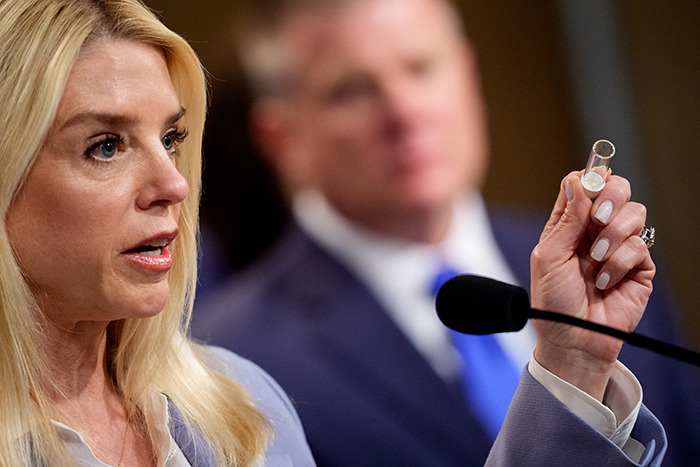
U.S. Attorney General Pam Bondi holds up a vial to show the amount of fentanyl that would be a lethal dose. Image credits: Andrew Harnik/Getty Images
Potentially devastating for Latin America and beyond
Latin America has far lower levels of opioid use than North America or parts of Europe, and in most countries in the region, the main concerns remain cocaine, cannabis, and, increasingly, synthetic stimulants such as the cocktail ‘tusi.’
But Brazil’s experience suggests how quickly nitazenes can redraw that map once they find their way into supply chains.

“Why smuggle 1,000 kg of heroin if you can smuggle 1 kg of a synthetic opioid that’s 1,000 times as strong?” Steve Rolles, senior policy analyst at the Transform Drug Policy Foundation, said. Image credits: Anusak Laowilas/Getty Images
The products they are turning up in also matter. Herbal blends and synthetic cannabinoids are cheap, easy to move and widely used among younger and lower-income users. If those products quietly start carrying ultra-potent opioids, it could pull far larger and opioid-naïve populations into the blast radius of the synthetic wave.
Cross-border trafficking adds another layer. Brazil’s ports and road networks already move cocaine and chemical precursors across the continent. The same routes can carry nitazene powders or precursors to neighboring countries, where forensic capacity is weaker still.
Araújo believes that it should focus minds in the region’s capitals.
“It is reasonable to say that nitazenes may represent an even broader threat than fentanyl, because they can reach much larger groups of users and because their presence can go unnoticed,” she said. “However, the true extent of this phenomenon is still being studied.”
Poll Question
Thanks! Check out the results:
Subscribe to Access
Exclusive Polls

By entering your email and clicking Subscribe, you're agreeing to let us send you customized marketing messages about us and our advertising partners. You are also agreeing to our Privacy Policy.
Thank you! You've successfully subscribed to newsletters!
1k+views
Share on Facebook


17
0