WorldMAY 26, 2026
Rubio Says Iran Deal Could Take Days as U.S. Launches Fresh Strikes
Advertisement
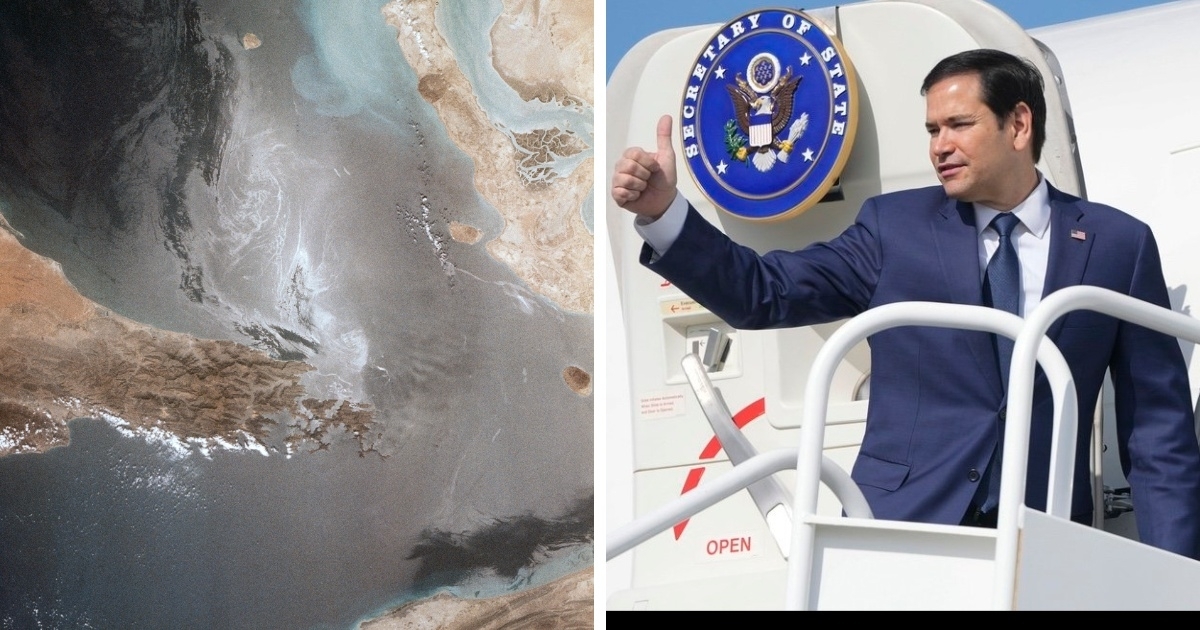
U.S. Secretary of State Marco Rubio said on Tuesday in Jaipur, India, that a potential deal with Iran could take "a few days," even as the United States carried out fresh strikes against Iranian military targets near the Strait of Hormuz.
U.S. Central Command said the self-defense strikes hit missile launch sites and Iranian boats allegedly trying to lay naval mines in Bandar Abbas, southern Iran, hours after Iran's negotiators met Qatari mediators in Doha.
Highlights
- Marco Rubio said talks over a potential Iran deal could take “a few days.”
- U.S. Central Command confirmed strikes on Iranian missile sites and boats allegedly laying mines.
- Shipping through the Strait of Hormuz has fallen from 125 to 140 vessels a day to only a few dozen.
- Trump says an agreement is largely negotiated, while Iranian officials say no one can claim a deal is imminent.
The Iran talks now sit alongside U.S. military action in a standoff that has slowed shipping through one of the world's most important oil routes.
Fresh strikes hit Iranian boats while negotiators argue over a possible ceasefire deal
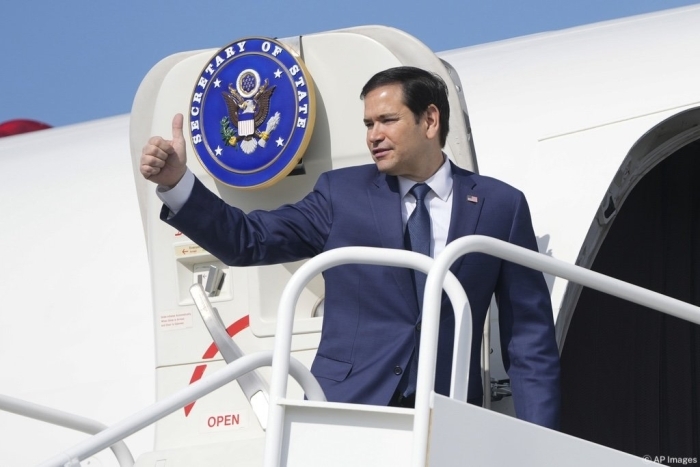
Rubio told reporters during his visit to India that the sides were still working through the wording of an initial document, according to a Reuters report carried by The Irish Times. "I think it's a lot of talking back and forth going on about specific language in the initial document, so it'll take a few days," he said.
The strikes came despite a ceasefire that the United States and Iran agreed to on April 7-8, with Israel included. Central Command spokesman Navy Capt. Tim Hawkins confirmed the strikes as "self-defense strikes" that targeted "missile launch sites and Iranian boats attempting to emplace mines" in southern Iran.
Public descriptions of the negotiations differ sharply. Trump said in a May 23-24 Truth Social post that "An Agreement has been largely negotiated, subject to finalization between the United States of America, the Islamic Republic of Iran, and the various other Countries," according to CNBC.
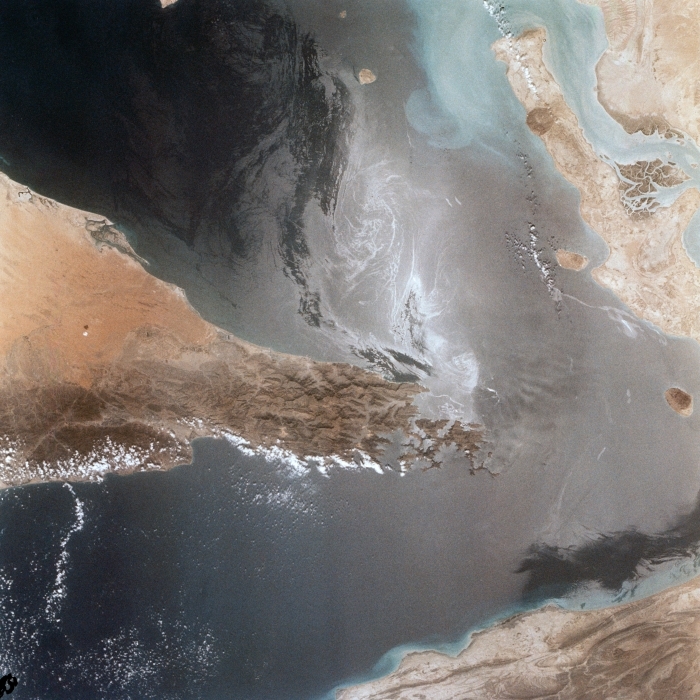
Image credits: NASA / Wikimedia Commons
Iranian Foreign Ministry spokesman Esmaeil Baghaei pushed back, saying, "To say that this means an agreement is on the verge of being signed is not something anyone can claim," the Associated Press reported.
The current phase of the conflict began on February 28, when Israel and the United States launched airstrikes against Iran, killing its supreme leader and many other officials while destroying a large number of military and government targets.
On May 4, Trump launched Operation Project Freedom, a U.S. Navy mission to escort merchant ships out of the Gulf. Iranian Foreign Minister Abbas Araghchi dismissed the effort on X, writing, "Project Freedom is Project Deadlock."
Hormuz shipping slowdown drives up oil prices as both sides fight over messaging
The Strait of Hormuz remains central to the dispute because shipping through the route has dropped sharply since the February 28 strikes. Only a few dozen vessels now pass through each day, compared with 125 to 140 previously. The slowdown has caused a spike in oil prices and driven up the costs of fuel, fertilizer, and food.
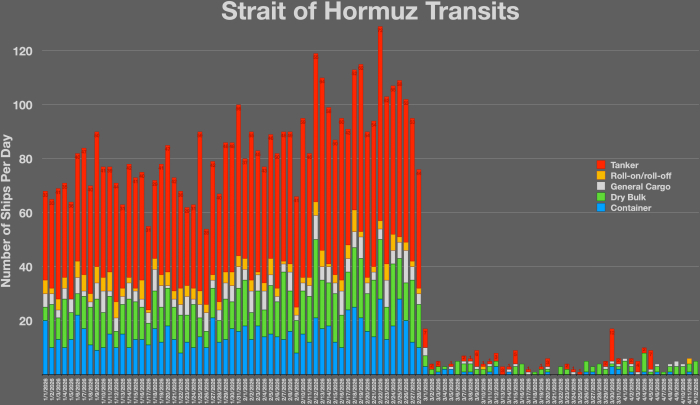
Image credits: Wikideas1 / Wikimedia Commons
Rubio framed the pressure around the Strait as a global issue, not just a U.S.-Iran confrontation. "What's happening there is unlawful, it's illegal, it's unsustainable for the world, it's unacceptable," he said.
Iranian officials have signaled that they do not plan to back down. Mohammad Bagher Zolghadr of Iran's Supreme National Security Council said, "There will be no retreat," according to CNN.
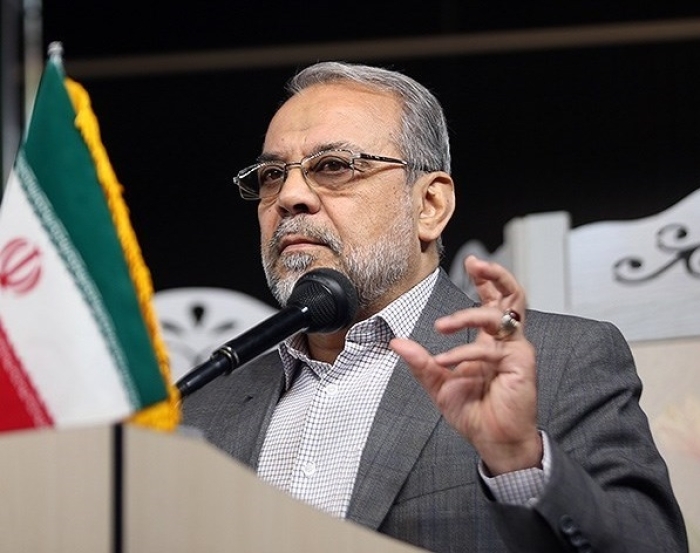
Image credits: Meghdad Madadi / Wikimedia Commons
Qatar, which has mediated the talks in Doha, also denied a separate claim about its role. Foreign Ministry spokesman Dr. Majed Al Ansari said, "Reports that Qatar 'offered' Iran $12B for a deal are false, spread by parties seeking to undermine diplomacy," according to The Express Tribune.
For now, both tracks continue at once: negotiators work over language, and the U.S. military says it will strike threats near the Gulf. Rubio's "few days" timeline may prove crucial, but both Washington and Tehran keep presenting different versions of how close a deal really is.