
Trump Hits Venezuela With “Total” Tanker Blockade As Regime-Change Speculation Mounts
U.S. President Donald Trump on Tuesday announced he is ordering “a total and complete blockade” of all sanctioned oil tankers entering and leaving Venezuela, less than a week after the seizure of the supertanker Skipper.
In a Truth Social post, Trump said the blockade would be upheld until Venezuela returns “all of the oil, land, and other assets that they previously stole from us” while also seeming to question the South American country’s claims over its own enormous oil reserves.
- Trump announced a total blockade of all sanctioned oil tankers entering and leaving Venezuela to reclaim 'stolen' U.S. assets.
- The blockade targets a network of tankers apparently funding Maduro’s regime, despite unclear enforcement details from the White House.
- The White House Chief of Staff Susie Wiles hinted regime change is planned, suggesting continued attacks on Venezuelan vessels until Maduro yields.
- Markets reacted with a 1% rise in oil prices, fearing disruption of 0.4 to 0.5 million barrels a day, especially impacting heavy crude supply.
- Legal experts warn the blockade risks international conflict and war accusations, as Venezuela condemns it as illegal and aggressive.
“The illegitimate Maduro regime is using oil from these stolen oil fields to finance themselves,” he wrote.
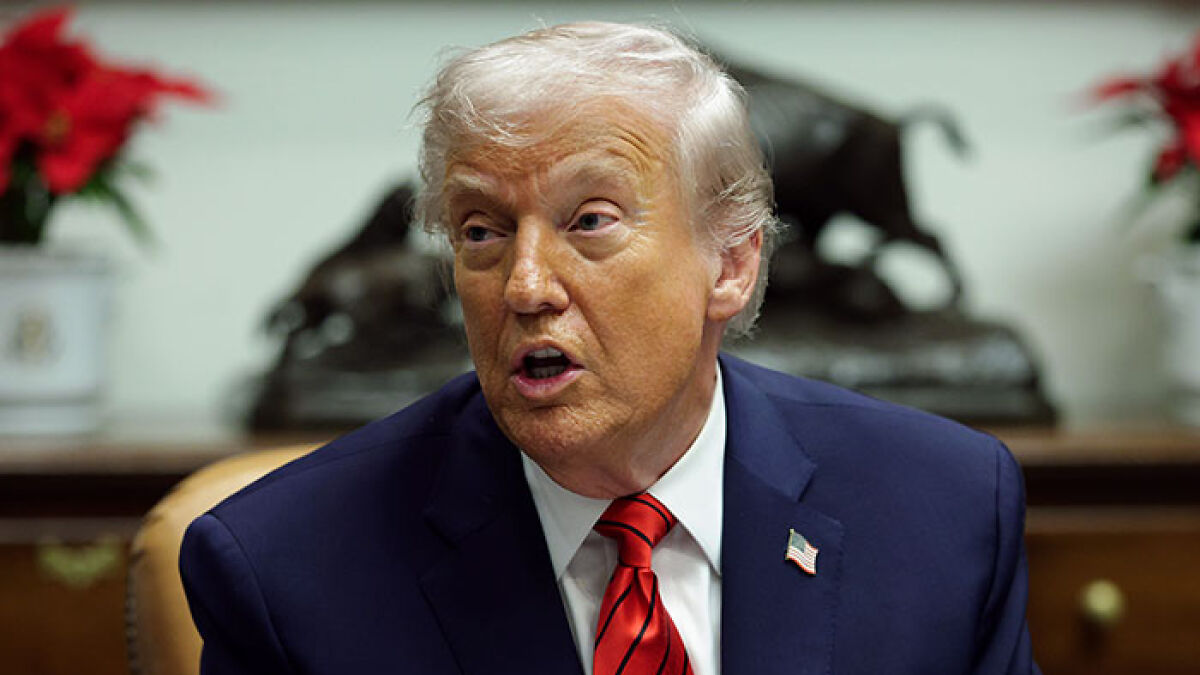
Donald Trump ordered ‘a total and complete blockade’ of oil tankers entering and leaving Venezuela
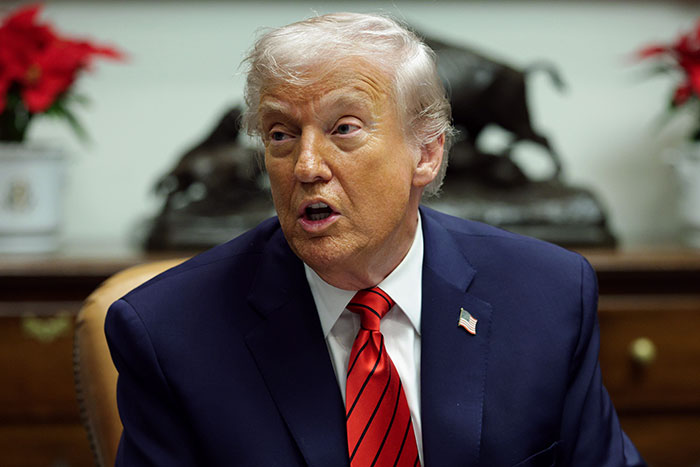
Image credits: Alex Wong/Getty Images
In the absence of any sort of operational details from the White House, shipping firms, insurers, and foreign buyers have been left to guess what “blockade” means in practice: whether U.S. forces will board and divert ships already on sanctions lists, or whether the threat will chill a broader swath of tanker traffic through fear of interdiction.
The announcement followed months of escalating pressure on Venezuela, including the bombing of alleged drug vessels and the closing of the country’s airspace.
It also came the same day that Vanity Fair published an interview with White House Chief of Staff Susie Wiles, in which she offered the clearest indication yet that the Trump Administration is seeking regime change – despite repeated claims to the contrary.
“He wants to keep on blowing boats up until Maduro cries uncle,” Wiles was reported as saying.
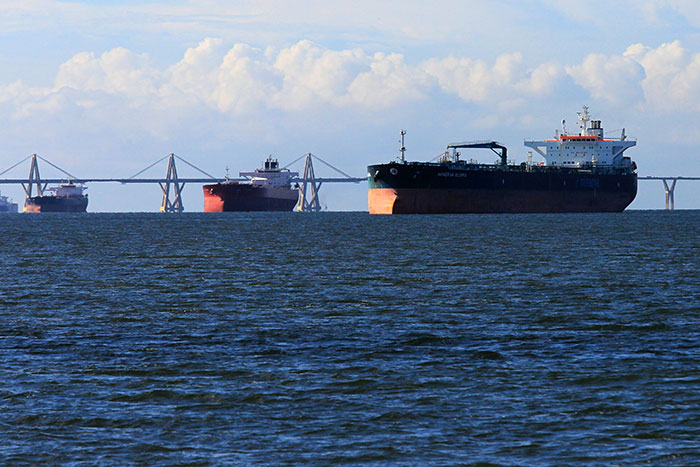
Image credits: Jose Bula Urrutia/UCG/Getty Images
What does ‘blockade’ mean?
While naval blockades are traditionally instruments of war, Trump’s focus on sanctioned tankers is narrower, and appears to build on the legal justification offered for the December 10 seizure—namely that the tanker was part of an illicit oil fleet being used to fund designated terrorist groups.
Yet, the effect could be similar to a total blockade if shipowners decide it is safer to stay away.
Venezuela has long been reported to employ a shadowy network of tankers and methods to obscure its oil export operations, with Skipper reportedly flying a false Guyanese flag and digitally manipulating its tracking signals prior to being seized.
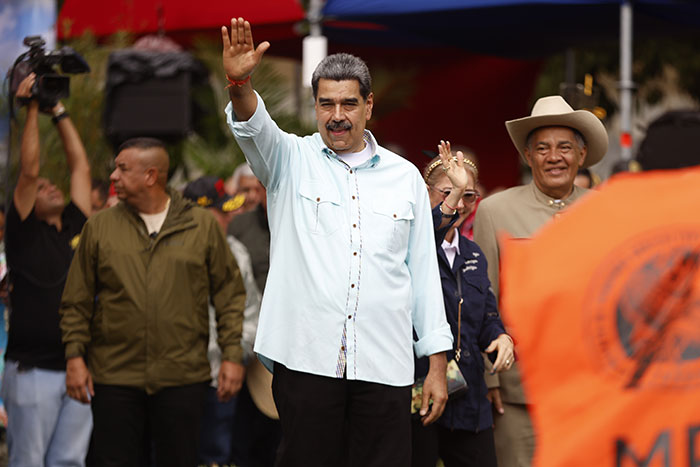
Image credits: Pedro Rances Mattey/Getty Images
That seizure showed how quickly deterrence can harden into interdiction, with other loaded vessels left loitering in Venezuelan waters as owners weighed the risks.
What remains unclear is how the blockade will be enforced. Not every tanker lifting Venezuelan crude is sanctioned, with shipments of oil drilled by Chevron exported to the U.S. under legitimate licenses.
Francisco Monaldi, a Venezuelan oil expert at Rice University, told The Associated Press that Venezuela exports about 850,000 barrels a day from roughly 1 million barrels of daily production, with about 80% heading to China and 15-17% going to the U.S., while the rest is exported to Cuba.
Trump is said to be engaging in regime-change efforts to depose President Nicolás Maduro
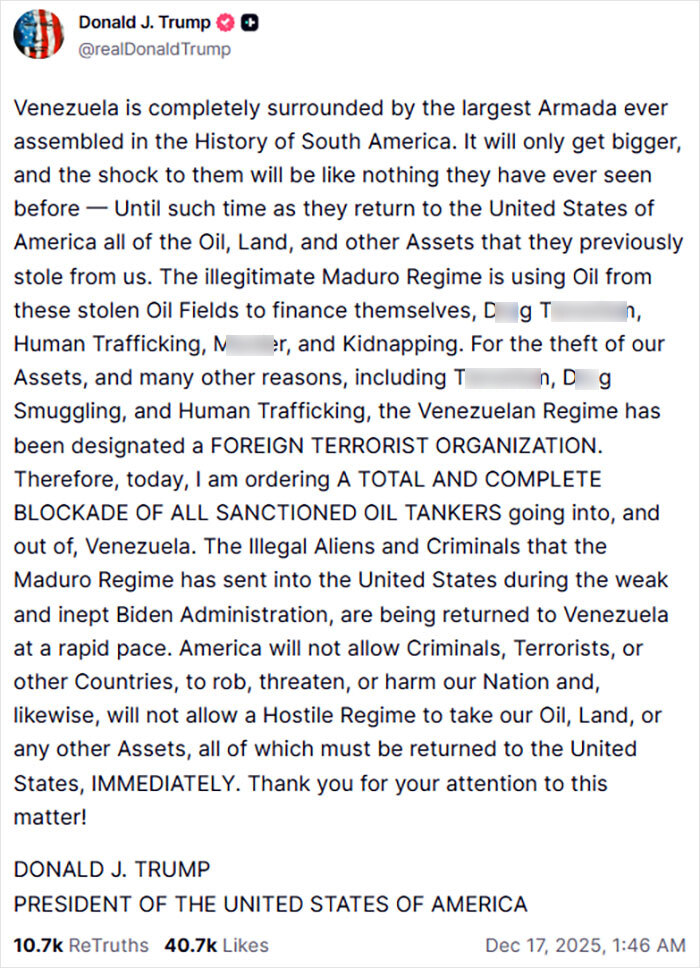
Image credits: realDonaldTrump
Markets brace for disruption
The immediate question for markets is simple: will Venezuelan oil actually stop moving, or will companies just find riskier ways to keep it flowing?
Even before anyone knows the answer, the announcement can still move prices because traders price in the chance of disruption.
After Trump’s post, oil prices rose by a little over 1%, and one U.S. oil trader told Reuters the blockade could affect roughly 0.4 to 0.5 million barrels a day and potentially add $1 to $2 to barrel prices.
Where the effects show up first may not be in the headline oil price people see on TV, but in the specialized market for heavy crude—the thicker kind of oil Venezuela sells, and that certain refineries are built to process.
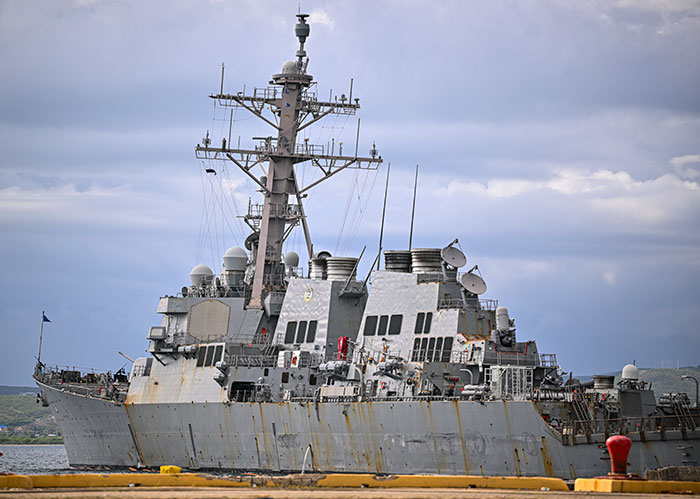
Image credits: Miguel J. Rodriguez Carrillo/Getty Images
Matias Togni of oil market insights firm Next Barrel told Reuters the change is more likely to appear in the extra amount buyers pay to get barrels quickly, especially for replacements for Venezuela’s crude–which could include Canadian and Colombian products.
On the shipping side, while Venezuela’s crude exports have already fallen sharply since the Skipper seizure, it remains unclear how many tankers could be affected, and how the U.S. intends to impose the blockade in practice.
Navigating major legal risks
The word “blockade” quickly triggered legal pushback. Elena Chachko, an international law scholar at UC Berkeley School of Law, told Reuters Trump’s announcement left “serious questions on both the domestic law front and international law front.”
Rep. Joaquin Castro, a Texas Democrat, went further, calling a blockade “an act of war” that Congress has not authorized.
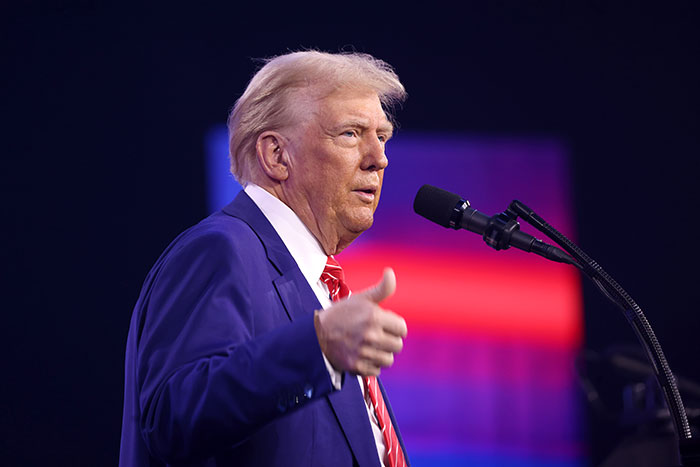
Image credits: Gage Skidmore/Flickr
Internationally, escalation is a risk. A boarding at sea can implicate flag states, cargo owners, and major importers, including China—raising the possibility of an international confrontation between the world’s two largest economies.
Venezuela, meanwhile, has denounced the plan as a violation of international law and an attempt to seize its wealth.
Yet despite the risks, recent events point to further escalation in the near future. In Trump’s post announcing the blockade, he also stated “the Venezuelan regime has been designated a foreign terrorist organization,” despite the fact Venezuela is not listed by the State Department as a state sponsor of terrorism.
That appears to push the U.S. ever closer to direct intervention inside Venezuelan territory—something Wiles alluded to when she said there “may be interest” in going inside Venezuela’s territorial waters to strike alleged drug vessels.
Poll Question
Thanks! Check out the results:
Subscribe to Access
Exclusive Polls

By entering your email and clicking Subscribe, you're agreeing to let us send you customized marketing messages about us and our advertising partners. You are also agreeing to our Privacy Policy.
Thank you! You've successfully subscribed to newsletters!



16
0