
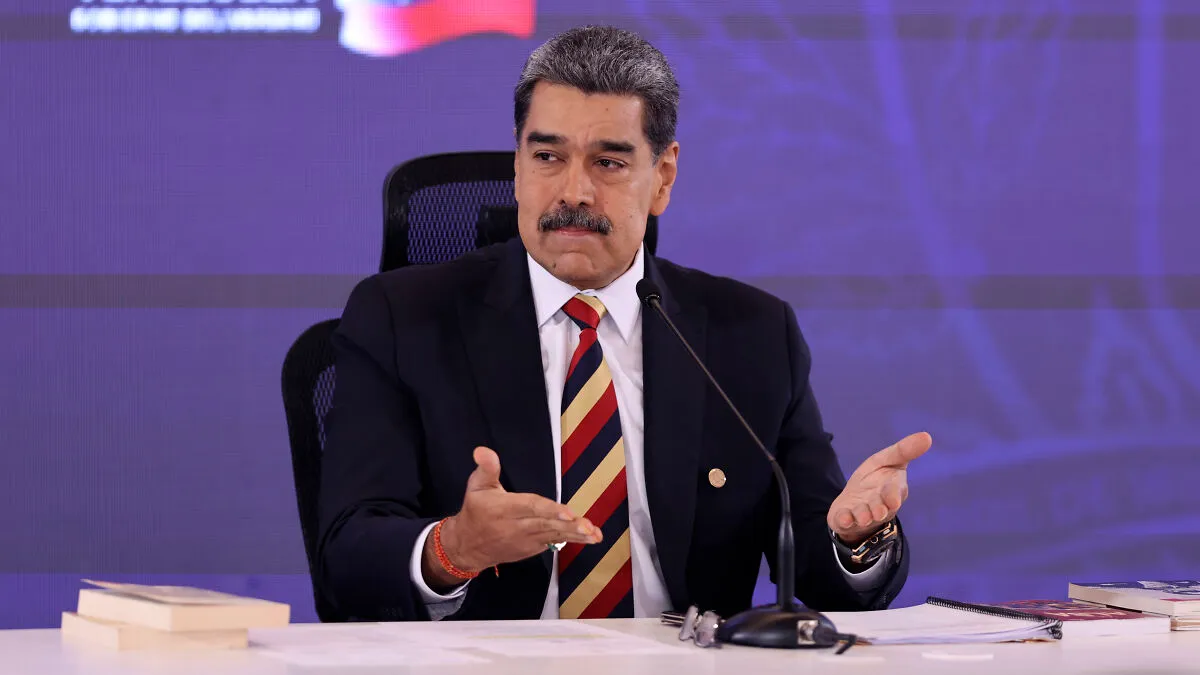

Venezuelan President Nicolas Maduro has pleaded with the U.S. not to start a “crazy war” as tensions between the two nations skyrocket, heightening fears of a direct confrontation.
Speaking in English during a meeting with pro-government unions on Thursday, Maduro pleaded for calm, saying: "Yes peace, yes peace forever, peace forever. No crazy war, please!"
Highlights
- Venezuelan President Maduro urged the U.S. to avoid a “crazy war,” pleading publicly amid rising tensions.
- The Trump administration reportedly deployed 6,500 troops, bombers, a submarine, and fighter jets near Venezuela, targeting drug networks.
- Trump authorized CIA covert ops in Venezuela last week and said the military would kill anyone bringing drugs into the U.S.
The remarks, reported by Agence France-Presse, come as relations between Caracas and Washington reach their most volatile point in years.
Nicolas Maduro pleaded for the U.S. not to start a "crazy war"
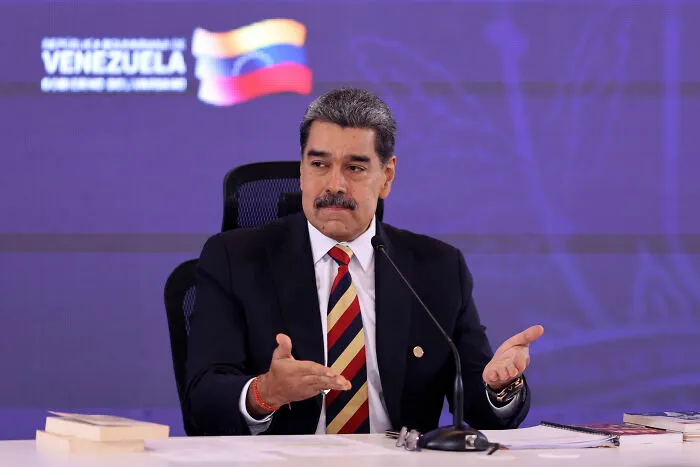
Image credits: Jesus Vargas/Getty Images
The Trump administration has ordered a major military buildup near Venezuela, officially described as an operation targeting “narcoterrorist networks.”
Donald Trump has also accused Maduro of being “one of the largest narco-traffickers in the world” and has offered up a $50 million reward for information leading to his arrest.
According to reports, the U.S. military deployment includes around 6,500 troops, a nuclear-powered submarine, F-35 fighter jets, B-52 bombers, guided-missile destroyers, and C-17 transport aircraft.
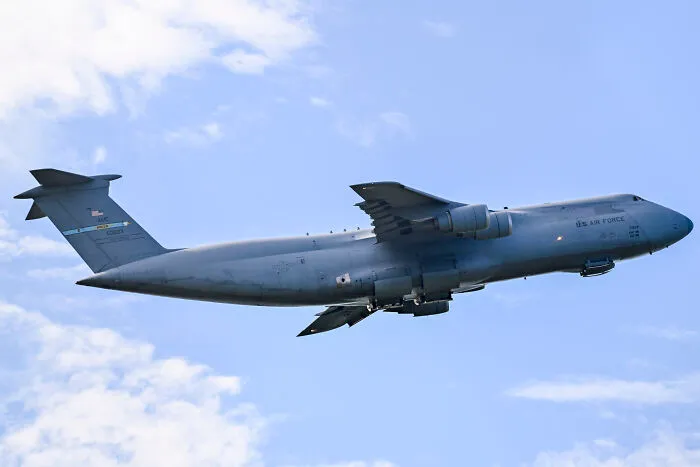
Image credits: Miguel J. Rodríguez Carrillo/Getty Images
On Thursday, Trump denied he had sent B-1B bombers to Venezuela, but told reporters he was “not happy” with the country and accused it of “emptying their prisons” into the U.S.
He also suggested that the conflict was a direct action and did not need Congressional approval.
"We're not going to necessarily ask for a declaration of war," he said. "We're just going to kill people that are bringing drugs into our country."
Last week, Trump confirmed that he had authorised the CIA to carry out covert operations in Venezuela and said he was considering land strikes against alleged drug cartels.
It is a move that many see as part of a broader White House push for regime change in the South American nation.
The country’s defense minister, Vladimir Padrino, who has been overseeing military operations in response to the U.S., said on Thursday that they were aware the CIA was covertly operating in Venezuela.
“We know the CIA is present,” Padrino said. “They may deploy - I don't know how many - CIA-affiliated units in covert operations ... and any attempt will fail.”
Trump has ordered the CIA to conduct covert operations in Venezuela
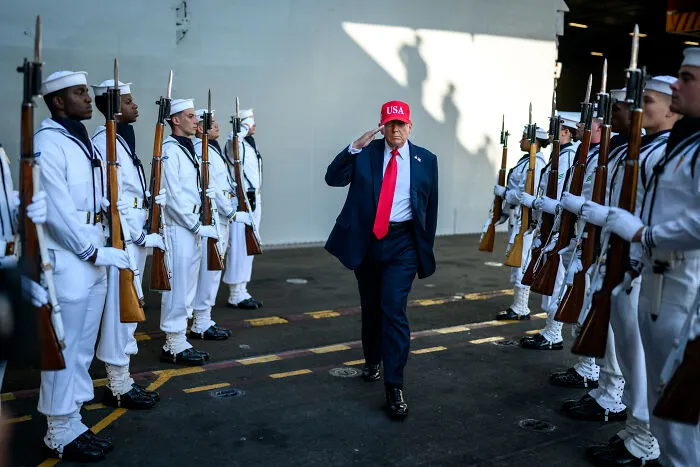
Image credits: The White House
As part of Trump’s efforts, the U.S. military has also been launching strikes against vessels allegedly operated by drug traffickers moving illicit substances into the U.S.
The White House has not provided any evidence to back up the claim that those on board the boats are criminals.
There has been no effort to detain those on board and question them before bombing the vessels.
Since September 2, eight boats and a semi-submersible have been hit by the strikes in the Caribbean and Pacific, killing at least 37 people.
There are concerns regarding the legality of those strikes, considering they occurred in international waters and no efforts were made to intercept the vessels beforehand.
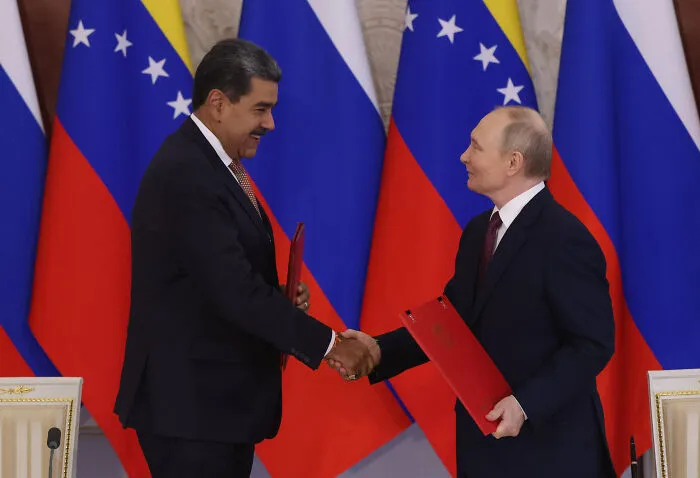
Image credits: Contributor/Getty Images
Venezuelan officials have also denied that those on board the boats were members of the Tren de Aragua gang.
Maduro has accused the U.S. of planning to destabilize his government under the guise of the anti-drug operations and is working to heighten his country’s military readiness, boasting of its stockpile of Russian-made weaponry.
On Wednesday, Maduro claimed Venezuela has 5,000 Russian-made anti-aircraft missiles in “key air defense positions,” CNN reported.
“Any military force in the world knows the power of the Igla-S and Venezuela has no less than 5,000,” Maduro said during an event broadcast by state media.
Both countries are readying military forces
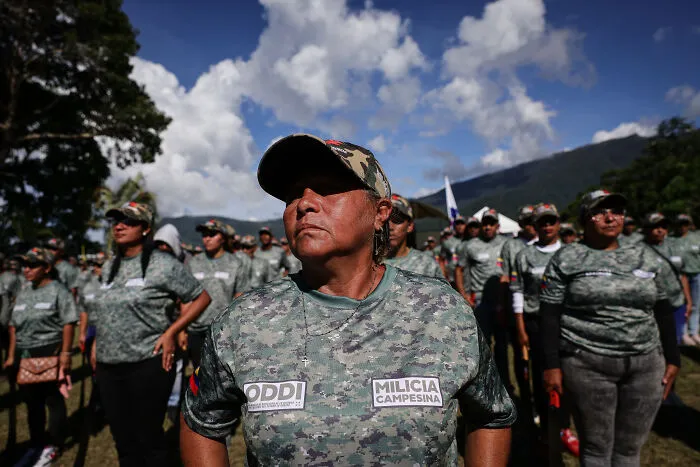
Image credits: Jesus Vargas/picture alliance via Getty Images
The Russian Igla-S missiles are short-range, low-altitude systems similar to American Stingers.
They can shoot down small aerial targets such as cruise missiles and drones, as well as helicopters and low-flying planes.
Maduro claimed that a single soldier is capable of carrying the missiles, which he said had been deployed “even in the last mountain, the last town, and the last city of the territory.”
A U.S. warship is expected to dock in Trinidad and Tobago’s capital, the Port of Spain – just off the Venezuelan coast – on Sunday, October 26.
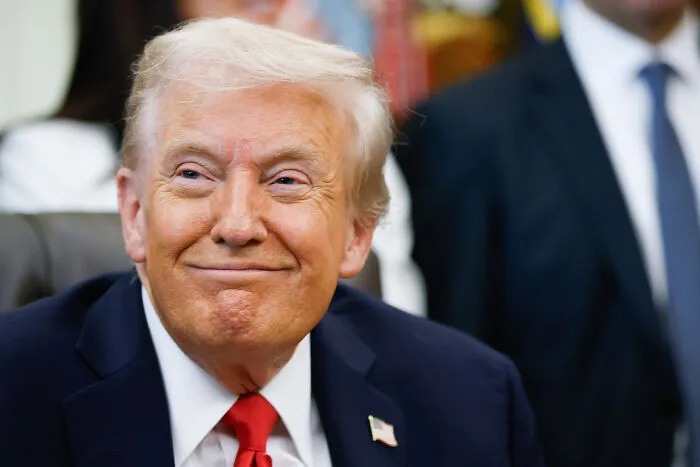
Image credits: Kevin Dietsch/Getty Images
The country’s foreign ministry announced last week that U.S. Marines would conduct joint exercises with their own forces from the 26th to 30th.
Two people killed in the U.S. boat strikes were from Trinidad and Tobago.
While Trump and Maduro both ready their military forces, the heightened tensions have led to pressing economic fears for Venezuelans struggling to pay the bills.
Data from the Central Bank shows that during the two months U.S. warships have been stationed in the Caribbean, the bolívar has lost roughly half its value against the U.S. dollar.

