

The WHO Says Coca Leaf Isn’t Very Harmful—So Why Keep It On The Hard Drug List?
In most of the world, coca leaf is illegal, little understood, and largely associated with the cocaine it can be made into—a process that requires large quantities of leaves and dangerous chemicals.
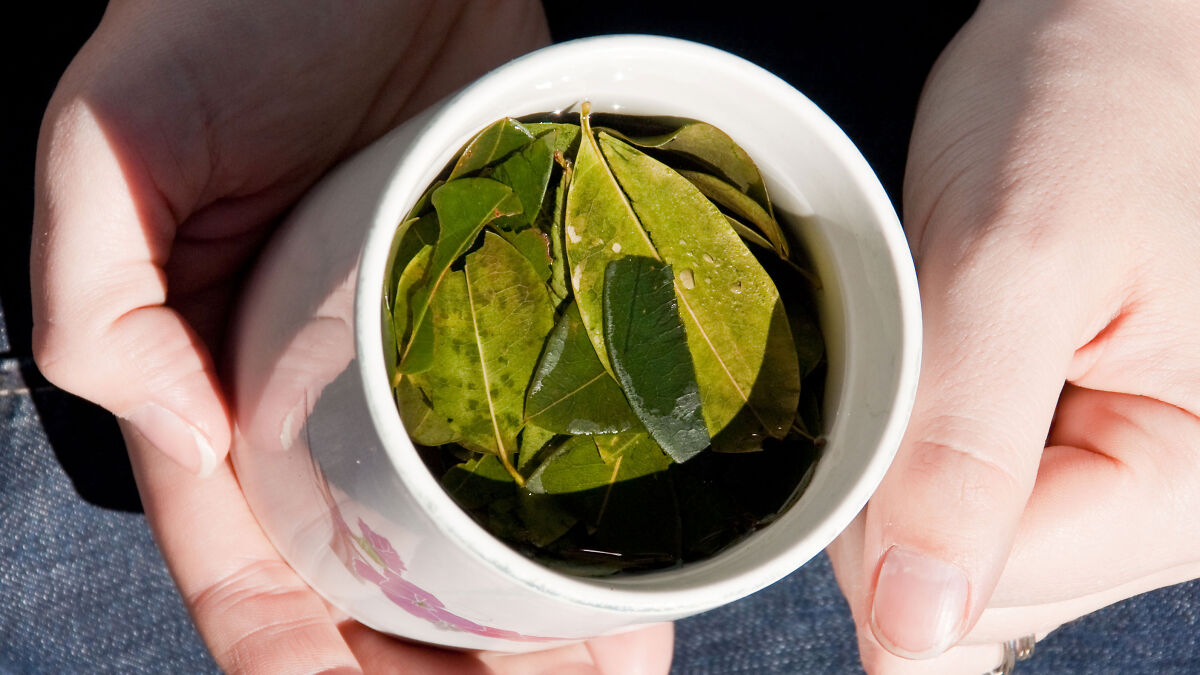
But in the Andean countries where it grows—especially Bolivia, Colombia, and Peru—it is widely considered an effective natural remedy for altitude sickness and digestive complaints, while millions of people chew the bitter green leaves or drink it as a tea for its mild stimulant effect on a daily basis.
- The WHO recognizes coca leaf's antioxidant, anti-inflammatory, and medicinal properties, supporting potential therapeutic uses.
- Studies show coca leaf chewing causes no tolerance, withdrawal, or compulsive use and is easily discontinued.
- Despite evidence, the WHO kept coca leaf in Schedule I, grouping it with highly addictive drugs like heroin and fentanyl.
- Critics argue the WHO ignored ancestral knowledge and applied drug policies unevenly, perpetuating colonial attitudes.
- Maintaining Schedule I status limits research, stifles legal markets, and reinforces illicit cocaine production.

Image credits: John van Hasselt/Getty Images
For indigenous communities in those countries, as well as in parts of Argentina, Brazil, Chile and Venezuela, coca consumption dates back thousands of years. The plant is revered for its medicinal properties and social role, including being key to many rituals.
The benefits of coca were recognized in an October report from the World Health Organization Expert Committee on Drug Dependence (WHO ECCD), an independent panel of experts that advises on how to classify substances under the 1961 UN Single Convention on Narcotic Drugs.
In the report, the WHO ECCD acknowledged the “antioxidant, anti-inflammatory, and antimicrobial properties” tied to consuming the leaf, as well as “preclinical evidence supporting potential therapeutic applications.”
While the report highlighted the limited data available related to coca consumption, it accepted evidence of its ability to protect the liver, stem the development of diabetes, and suppress appetite. It added that “studies suggest coca leaf may modulate glucose metabolism, improve exercise tolerance, and support nutritional intake.”
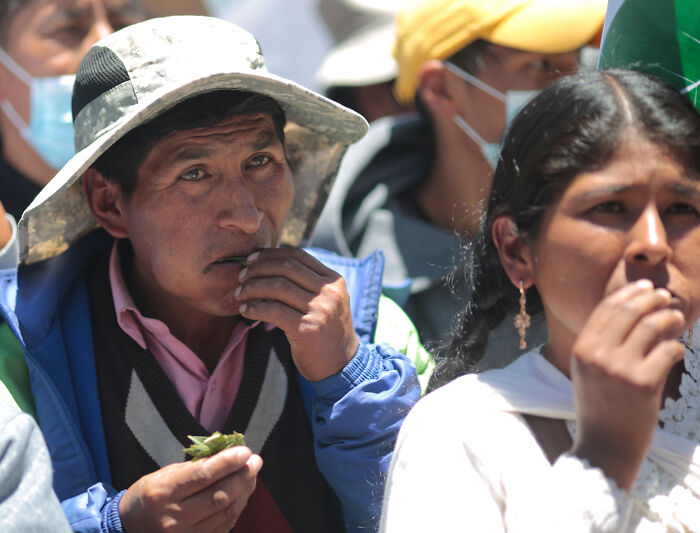
Image credits: Gaston Brito/Getty Images
In terms of its addictive properties, the report stated that studies have “found no evidence of tolerance, withdrawal symptoms, or compulsive patterns of use” and that coca chewing “was described as easily discontinued.”
Yet despite those findings, which were made public in early December, the WHO ECCD ultimately recommended that coca leaf remain a Schedule I narcotic under the 1961 treaty—a category that includes highly addictive and socially destructive substances including cocaine, heroin, and fentanyl.
Critics question why the WHO ignored its own evidence
“This decision is a slap in the face to the indigenous communities who hold the coca plant to be sacred,” said Ann Fordham, executive director of the International Drug Policy Consortium (IDPC).
According to Fordham, the WHO “has disregarded millennia of ancestral knowledge regarding the use of the coca leaf” and is “perpetuating the racist and colonial attitudes that led to the original decision to place coca under international control.”

Pictured: Ann Fordham. Image credits: idpc
Fordham argues the committee’s core rationale—that coca leaf can be used to produce cocaine—is applied unevenly across plants. To illustrate, she points to ephedra, a shrub used to produce the decongestant pseudoephedrine, which is internationally controlled because it can be used in the production of methamphetamine. Yet ephedra is not controlled.
“We have to assume that the WHO has been more concerned about a backlash from more regressive—and likely donor—governments than about correcting a historical injustice and upholding the collective rights of Indigenous Peoples,” she said.
A treaty label that carries real-world consequences
According to Diego García-Sayán, commissioner of the Global Commission on Drug Policy, maintaining coca leaf in Schedule I is hard to defend based on the treaty’s own logic.
“Schedule I of the 1961 Convention is reserved for substances with the strongest potential for abuse and little, if any, medicinal value,” he said. “The coca leaf, in its traditional use, does not meet this standard.”
Schedule I is not just a symbolic list. In practice, it is the treaty category that pushes governments to restrict a substance to medical and scientific purposes, typically through licensing systems, import and export permits, and criminal penalties for unauthorized production and trade.
García-Sayán argues that keeping coca leaf in that category “institutionalizes a one-size-fits-all approach,” treating raw leaf and purified cocaine as equivalent despite their very different risk profiles.
Research, dignity, and what change could unlock
Traditional producers and consumers in Peru have publicly called on the WHO to rethink how it schedules coca leaf, describing it as “a fundamental element of our cultures for millennia.”
According to García-Sayán, maintaining Schedule I status “risks limiting research into therapeutic, nutritional, medicinal, or industrial applications due to high legal barriers.”
That makes it harder to close the evidence gaps in the research that the WHO itself highlights.
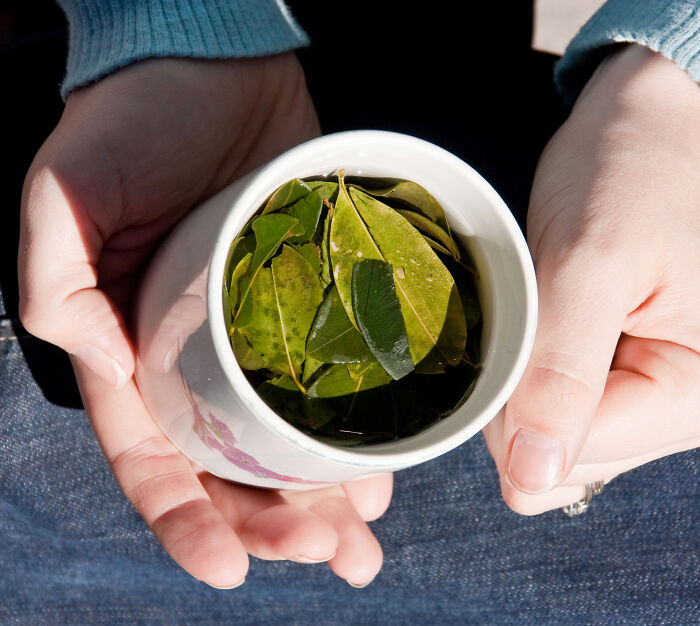
Image credits: macjewell / flickr
Fordham, meanwhile, argues the stigma attached to Schedule I keeps legal coca markets narrow and politically fragile, reinforcing what she calls a self-fulfilling logic in which illicit cocaine production remains the dominant outlet for the crop.
“It is shameful that the WHO has been unable to take an honest decision based on the clear evidence that coca leaf is not addictive,” she said.
How did the WHO justify the decision?
In a December 10 departmental update, the WHO said the ECDD concluded that “although traditional coca-leaf chewing and tea consumption do not pose major public-health risks, the leaf should remain under a strict level of international control.”
That was justified on the basis that cocaine can be “easily and profitably extracted” from it, as well as the fact that there has been a sharp rise in coca production in recent years “in the context of significant, increasing public health concern about cocaine use.”
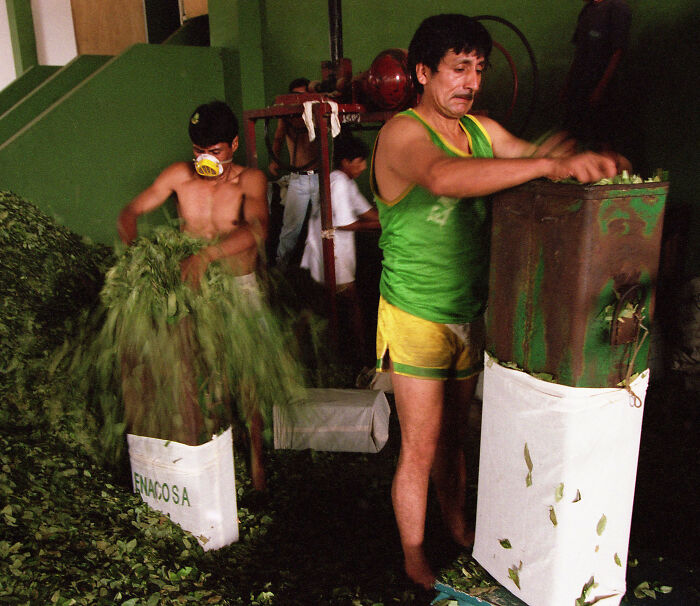
Image credits: John van Hasselt/Getty Images
“We express our profound disappointment at the decision to keep the coca leaf within schedule I of the 1961 Single Convention” said Marie Nougier, who delivered a joint statement from the IDPC and 56 other civil society and Indigenous organizations at a session of the UN Commission on Narcotic Drugs, where the WHO decision was initially made public.
“The inclusion of the plant in Schedule I was a historical error, based on deeply flawed, racist studies and arguments,” she said. “The ECDD has failed and is simply propping up an outdated regime that has so clearly failed.”
Poll Question
Thanks! Check out the results:
Subscribe to Access
Exclusive Polls

By entering your email and clicking Subscribe, you're agreeing to let us send you customized marketing messages about us and our advertising partners. You are also agreeing to our Privacy Policy.
Thank you! You've successfully subscribed to newsletters!
1k+views
Share on Facebook




16
2