
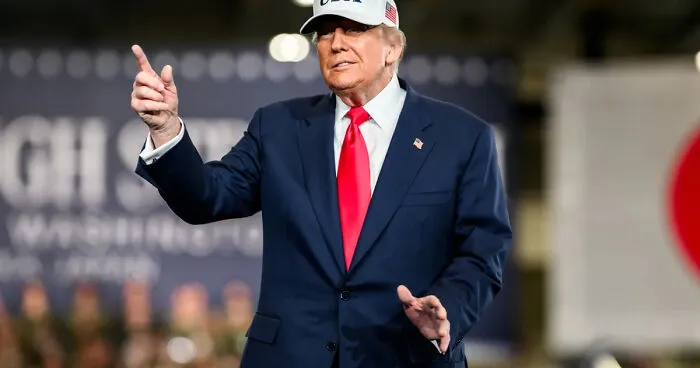
President Donald Trump has cranked Middle East tensions up several notches, ordering the U.S. Navy to "shoot and kill" any small boats caught laying mines in the Strait of Hormuz—a vital shipping route that was already on edge. The directive, posted Thursday on Truth Social, came as questions swirled around how long it might actually take the U.S. military to secure the waterway and keep it open.
Highlights
- Trump publicly ordered the Navy to use lethal force against boats laying mines in the Strait of Hormuz.
- The Pentagon released video of U.S. forces boarding the tanker Majestic X in the Indian Ocean.
- A leaked assessment said clearing mines from the strait could take six months, though the Pentagon disputes that timeline.
- Officials framed the tanker seizure as part of a broader crackdown on sanctioned Iranian-linked shipping.
- The latest moves suggest rapidly escalating military risk in one of the world’s most important waterways.
U.S. forces boarded the Iran-linked tanker Majestic X
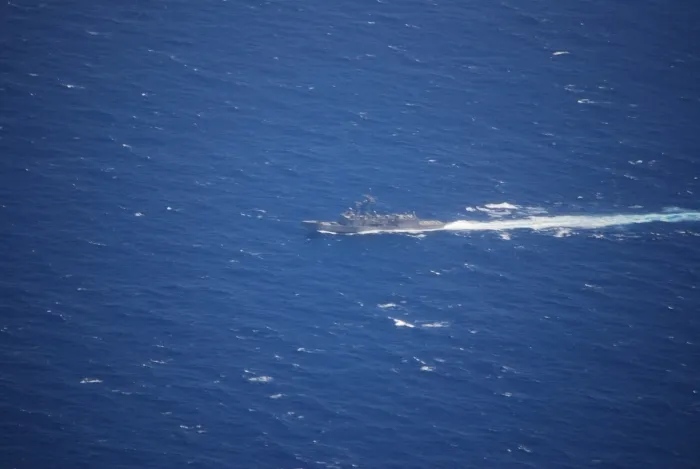
The timing was hardly subtle. Overnight, U.S. forces boarded the Iran-linked tanker Majestic X in the Indian Ocean in what officials described as a maritime interdiction involving a vessel allegedly tied to smuggling Iranian crude. By morning, the White House message was unmistakable: Washington was done playing nice.
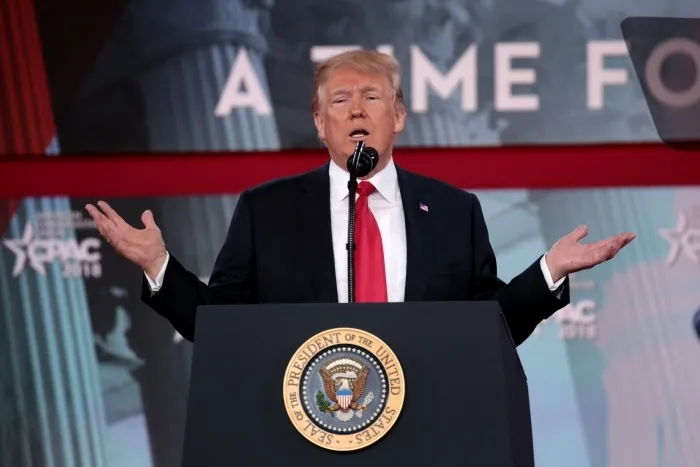
"I have ordered the United States Navy to shoot and kill any boat, small boats though they may be... that is putting mines in the waters of the Strait of Hormuz. There is to be no hesitation," Trump wrote. He also said mine sweepers should continue operations at a "tripled up level," turning an already volatile standoff into something even closer to open confrontation.
The escalation landed just after The Washington Post reported on a classified briefing indicating it could take as long as six months to completely clear Iranian mines from the strait. None of this squares with the picture Trump spent weeks painting. He repeatedly told the public the war would end quickly—originally framing it as a four-to-six-week campaign before walking that back.
As recently as Tuesday, just days before the shoot-to-kill order, he declared Iran had "no choice" but to deal and promised the U.S. would "end up with a great deal." That same day, he extended a ceasefire he had told Bloomberg just 24 hours earlier it was "highly unlikely" he would extend—citing Iran's "seriously fractured" government as cover for the reversal.
The Pentagon, for its part, moved quickly to swat the Post's report away. Chief Pentagon spokesman Sean Parnell accused outlets of distorting sensitive information, saying, "The media cherry picking leaked information, much of which is false, from a classified, closed briefing is dishonest journalism."
Then came the imagery. The Department of War released video tied to the seizure of the Majestic X, giving the public a front-row seat to a high-stakes operation that might otherwise have stayed buried in military jargon. The department's message was blunt: "International waters cannot be used as a shield by sanctioned actors. The Department of War will continue to deny illicit actors and their vessels freedom of maneuver..." as quoted by Seatrade Maritime.